• Advertise
  • About us
  • Terms and Conditions
  • Contact us
Friday, December 5, 2025
Australian Times News
  • News
    • Weather
    • Sport
    • Technology
    • Business & Finance
      • Currency Zone
    • Lotto Results
      • The Lott
  • Lifestyle
    • Entertainment
    • Horoscopes
    • Health & Wellness
    • Recipes
  • Travel
  • Expat Life
  • Move to Australia
No Result
View All Result
  • News
    • Weather
    • Sport
    • Technology
    • Business & Finance
      • Currency Zone
    • Lotto Results
      • The Lott
  • Lifestyle
    • Entertainment
    • Horoscopes
    • Health & Wellness
    • Recipes
  • Travel
  • Expat Life
  • Move to Australia
No Result
View All Result
Australian Times News
No Result
View All Result
Home Lifestyle

Framing the fearful symmetry of nature: the year’s best photos of landscapes and living things

PHOTOS: Each photographer has brought a different perspective on nature. Each of these can enhance your worldview - allowing you to see the dynamics and resilience; the power and quiet; the destruction and rebirth inherent in it.

The Conversation by The Conversation
05-09-2019 10:00
in Lifestyle
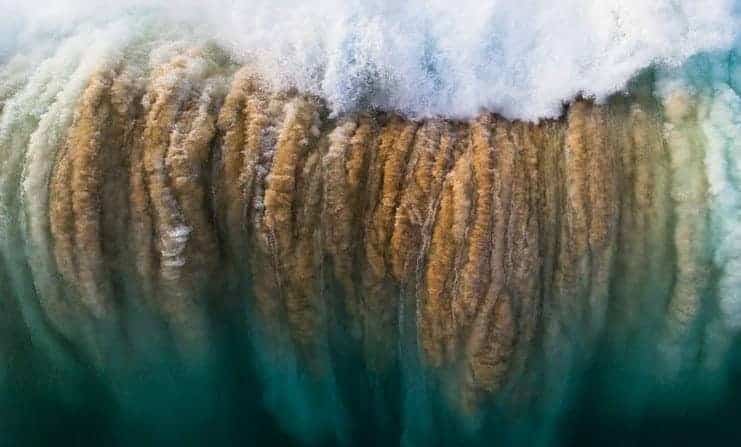
Detail from Reed Plummer’s photograph Surge, in which a breaking wave drops tons of water even as it pulls tons of sand from the sea bed. (South Australian Museum)

Detail from Reed Plummer’s photograph Surge, in which a breaking wave drops tons of water even as it pulls tons of sand from the sea bed. (South Australian Museum)

Nature. Some see it as beautiful and some as red “in tooth and claw”. Of course nature is dynamic, it changes between both the beautiful and the dangerous as in Blake’s famous words:

Tyger Tyger, burning bright,
In the forests of the night;
What immortal hand or eye,
Could frame thy fearful symmetry?

With the support of the South Australian Museum, this year’s Australian Geographic Nature Photographer of the Year competition attracted hundreds of photographers who have attempted to frame the symmetry of nature’s danger and the beauty – both in landscape and living things.
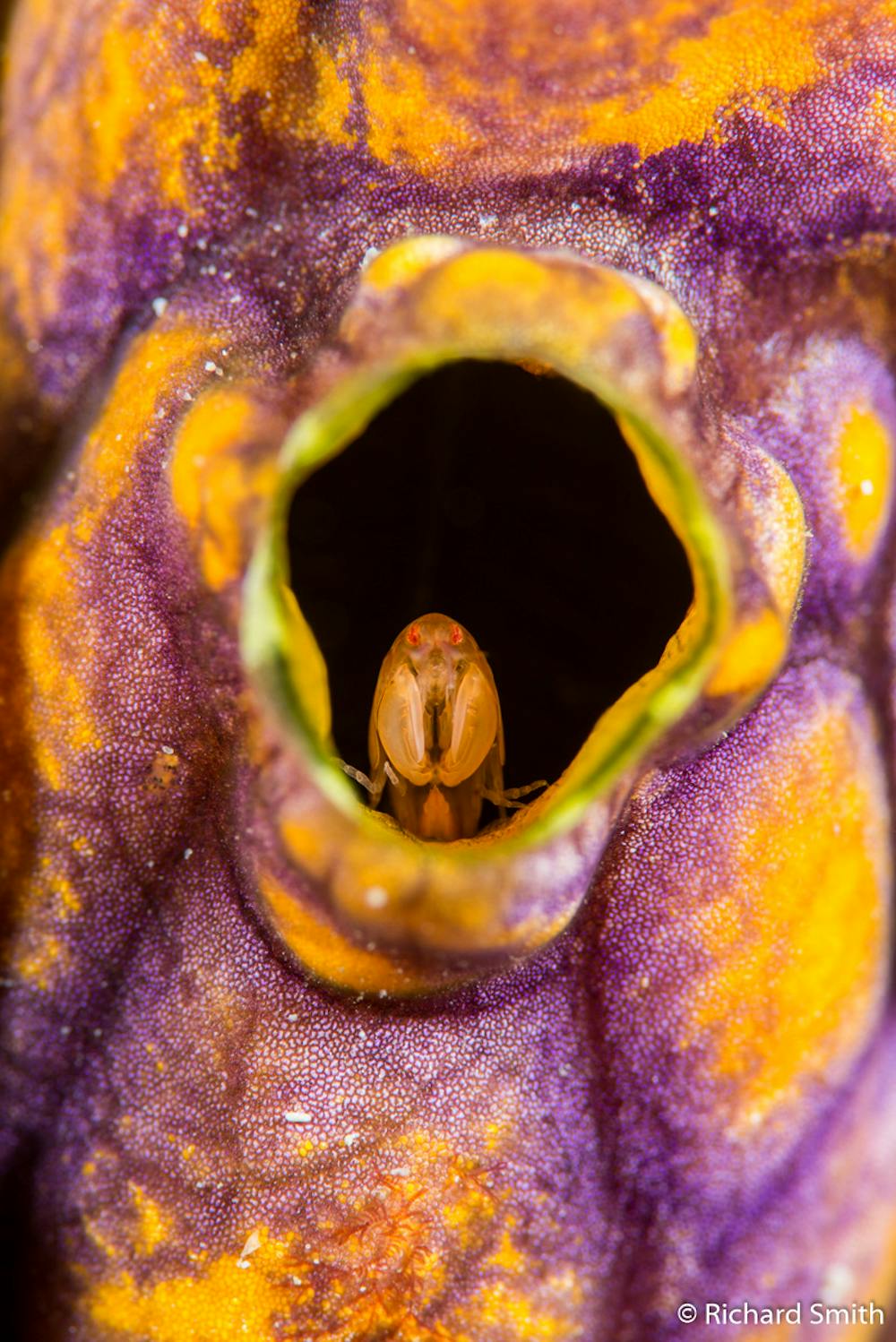
Richard Smith’s Small But Mighty captures a crustacean inside a sea squirt. South Australian Museum

The finalists no doubt have mastered the photographers’ tools of trade – metering and focus; composition and colour; balance and visual weight. Experts have critiqued the work, announced winners, and awarded their grand prize. But does this exhibition capture the multiple dimensions of nature? Well, yes.


Also see: Nature’s stunning moments: Wildlife Photographer of the Year


Nature is based on ecology and ecology is about dynamics and flows. Energy and material cycle through a balanced natural system where everything is used and nothing is lost. Sometimes, though, the balance is disrupted and cycles may be broken or forced to reform in novel ways.

The physical dimensions (length, breadth, depth) and the dangerous beauty inherent in a creature like an echidna leap out in a photograph titled “Under the Spikes” by Isaac Wilson. It captures both the fearsome spikes of an echidna and the beauty of shape and form within.
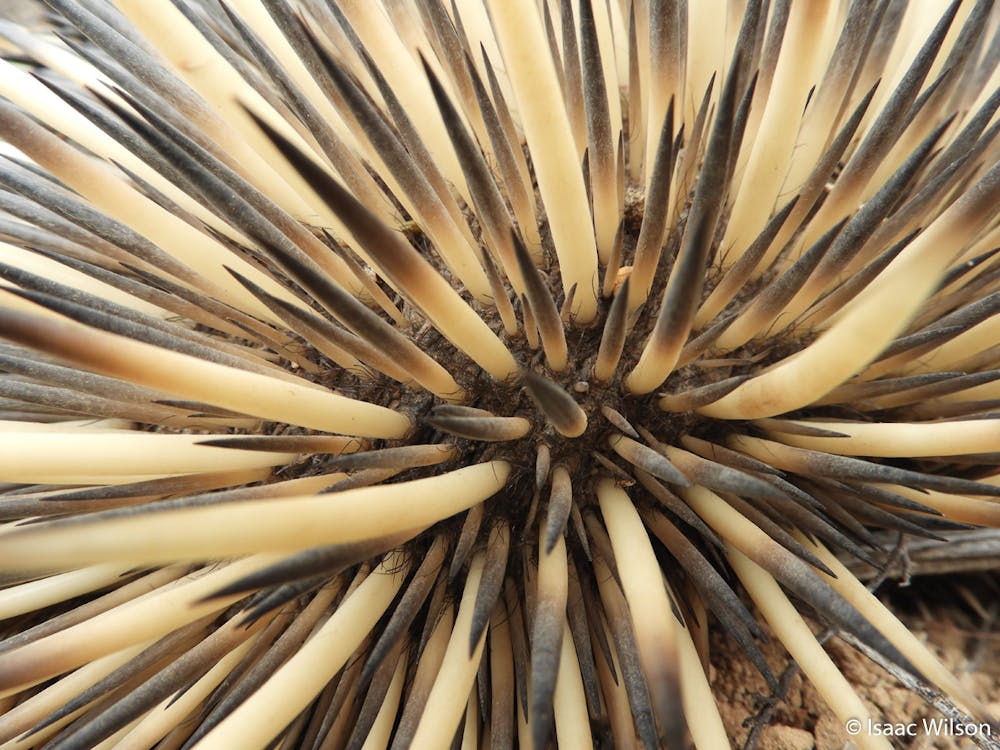
Under the Spikes by Isaac Wilson. South Australian Museum

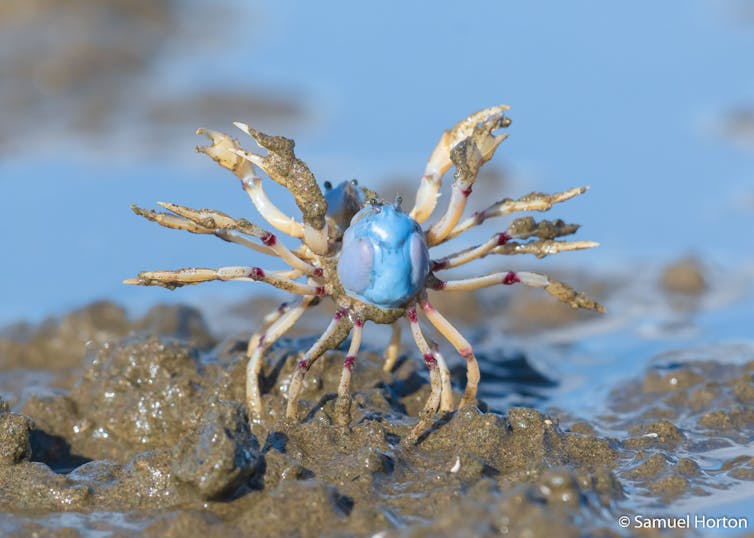
Likewise, in the “Clash of the Crabs”, the photographer Samuel Horton has captured the spiky drama of the daily dance of solder crabs as they fight for their future.

AlsoRead...

The evolution of Aesthetic Surgery through the lens of Dr. Kourosh Tavakoli

The evolution of Aesthetic Surgery through the lens of Dr Kourosh Tavakoli

4 December 2025
Design Australia Group: Redefining Drafting as the engine of housing growth

Design Australia Group: Redefining Drafting as the engine of housing growth

26 November 2025
Clash of the Crabs, by Samuel Horton.

Others see the ecology at wildly different scales, which look alien yet beautiful to our eyes. “New Life in a Far-off World” by Wade Hughes shows what appears, at first, to be destruction by an other-worldly volcano. It turns out to be a sponge’s way of spreading its desire for life as spores across the seas.
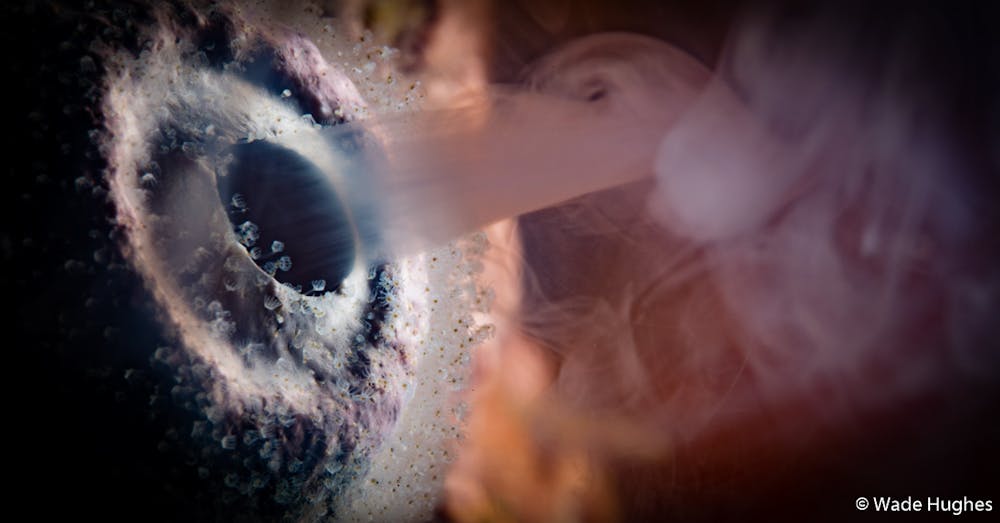
New Life in a Far-off World by Wade Hughes. South Australian Museum

And in “Small but Mighty”, Richard Smith captures a steadfast soldier defending his crustacean family despite being small enough to live inside a sea squirt.

The image “Surge” by Reed Plummer returns to human scale, but shows us the awesome, daily power of nature. A breaking wave drops tons of water even as it pulls tons of sand from the sea bed.


Also see: Australian wildlife photographer commended


“Barron Falls” by Neil Pritchard almost lets you hear the tumultuous violence of flood waters heading to the coast. Yet within this drama, the picture draws your eye to a single, small island of green that has found its space within the natural cycle of flooding noise and peace.
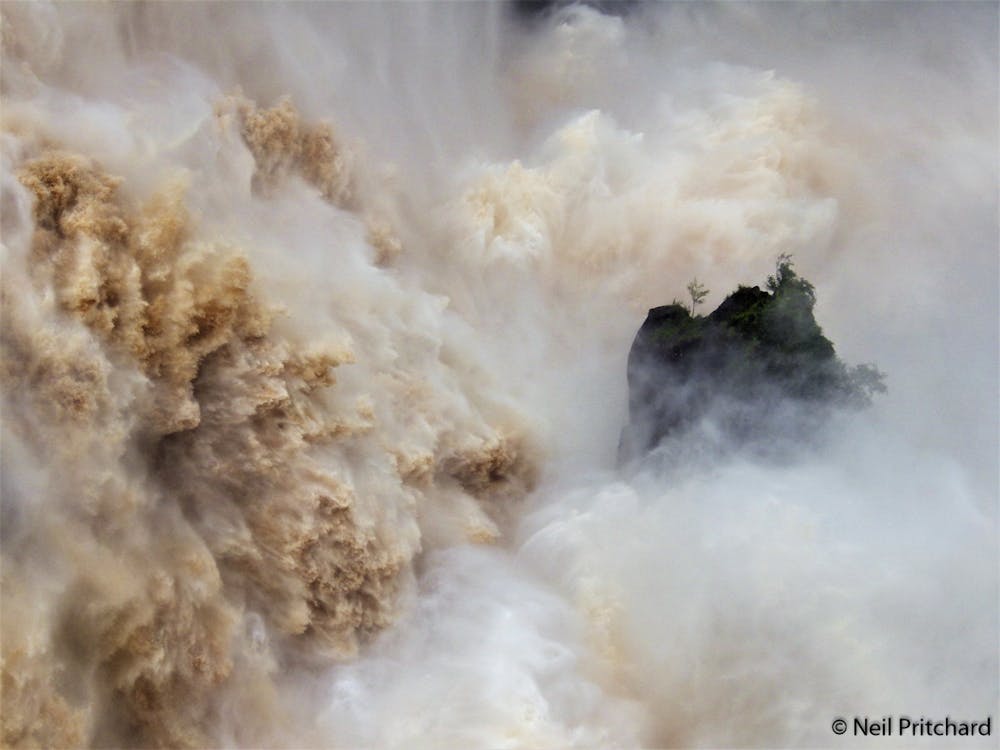
Barron Falls by Neil Pritchard. South Australian Museum

Tim Wrate’s “Above” at first looks like an Aboriginal painting. But, as you draw nearer, the image resolves into a complex maze of mangroves and salt in emerald waterways. You can feel the dynamics of the system and the interplay between life and water.
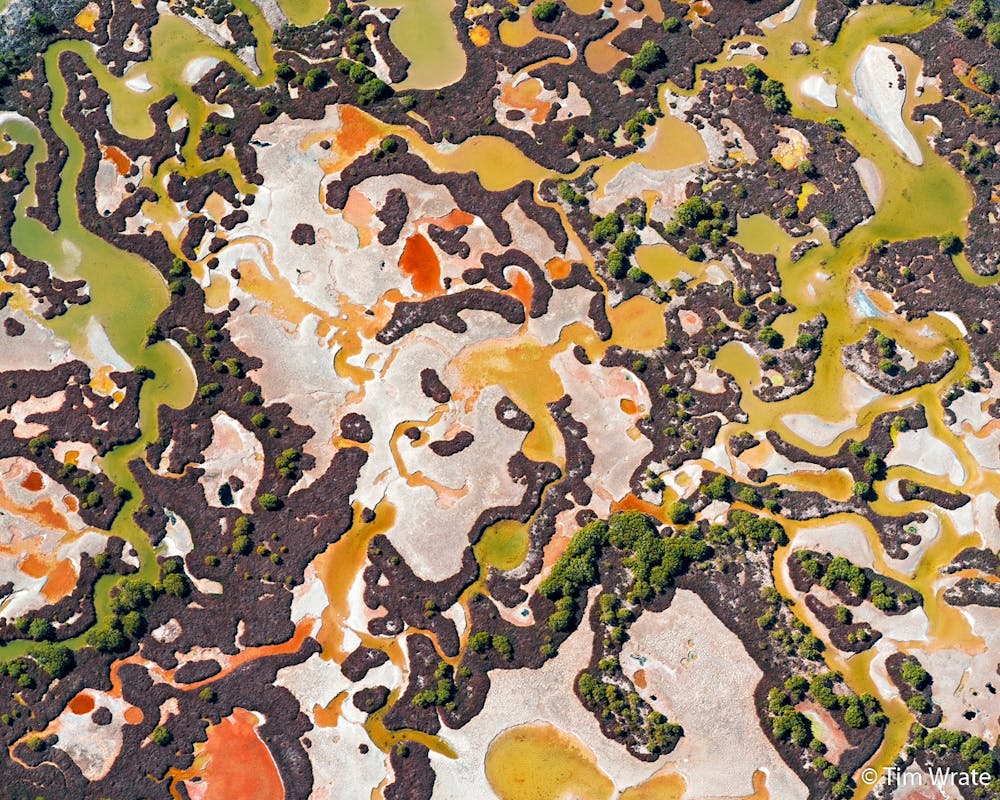
Above by Tim Wrate. South Australian Museum

The jigsaw of cracked clay in “The Watering Hole” by Melissa Williams-Brown again draws the viewer into pattern. But as you follow the cracks out, a single kangaroo carcass reminds us of the cycles of water, with extreme droughts and floods. We disrupt or misinterpret this cycle at everyone’s peril.
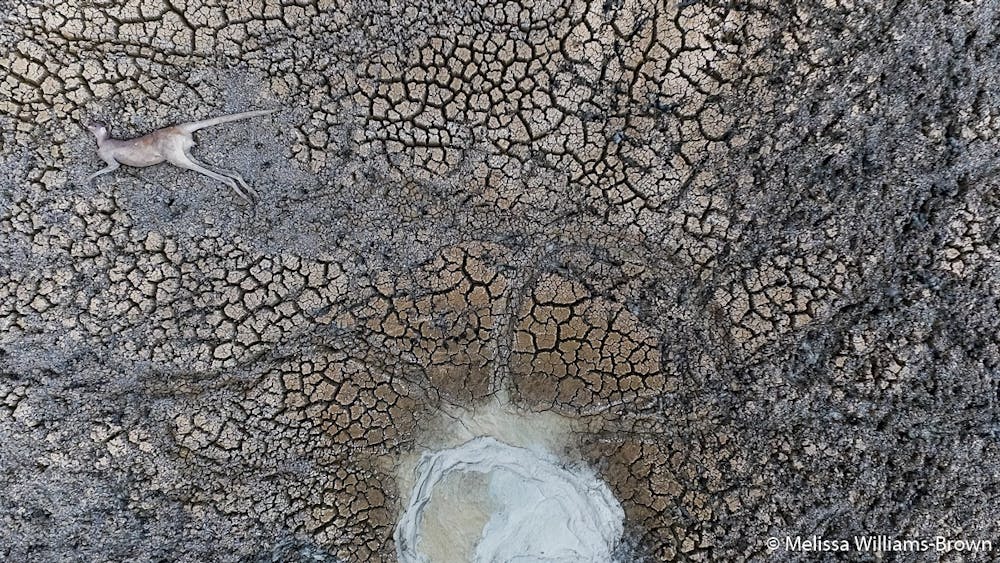
The Watering Hole by Melissa Williams-Brown. South Australian Museum

In nature, death can be beautiful. In “The Ghost of the Forest” (Marcia Riederer) an elusive mushroom, feeding on dead material, illuminates the green with its bioluminescence. Without such decomposers feeding on dead things, the cycling of essential materials would cease – no beauty, no death and no life.
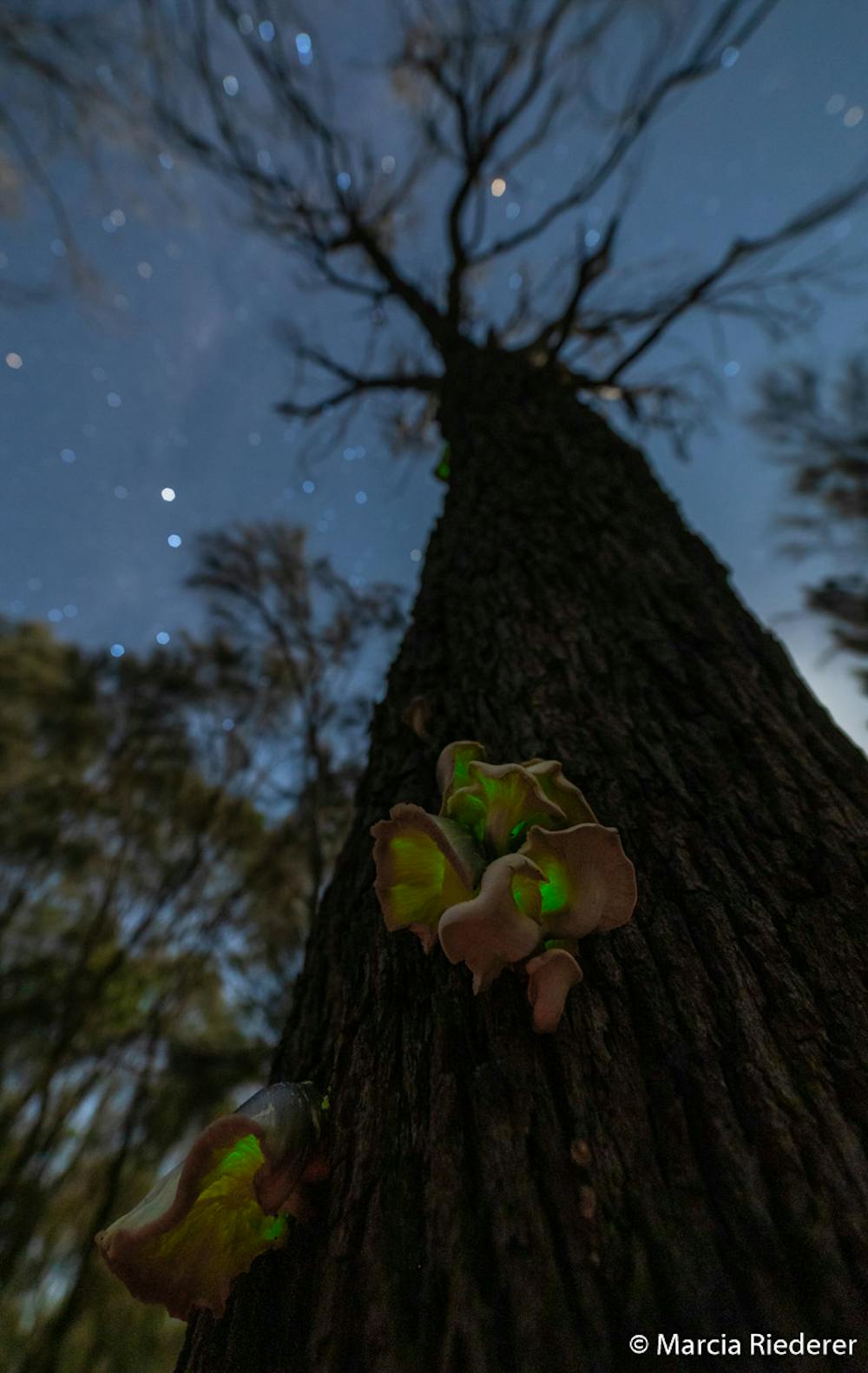
The Ghost of the Forest by Marcia Riederer. South Australian Museum

Some people hike for days to experience the beauty of these natural bio-lights, others avoid them for fear that the lights are the souls of the departed. In ecological terms, the luminescence attracts insects, which help disperse the mushroom spore and thus the future of this life form.

Other photographers have focused their lenses on points where the ecological cycles are disrupted. The disruption might be relatively small, like the Flying Fox new parent who almost drowns her own child while getting a drink in “Just Hanging On” (Neil Edwards).
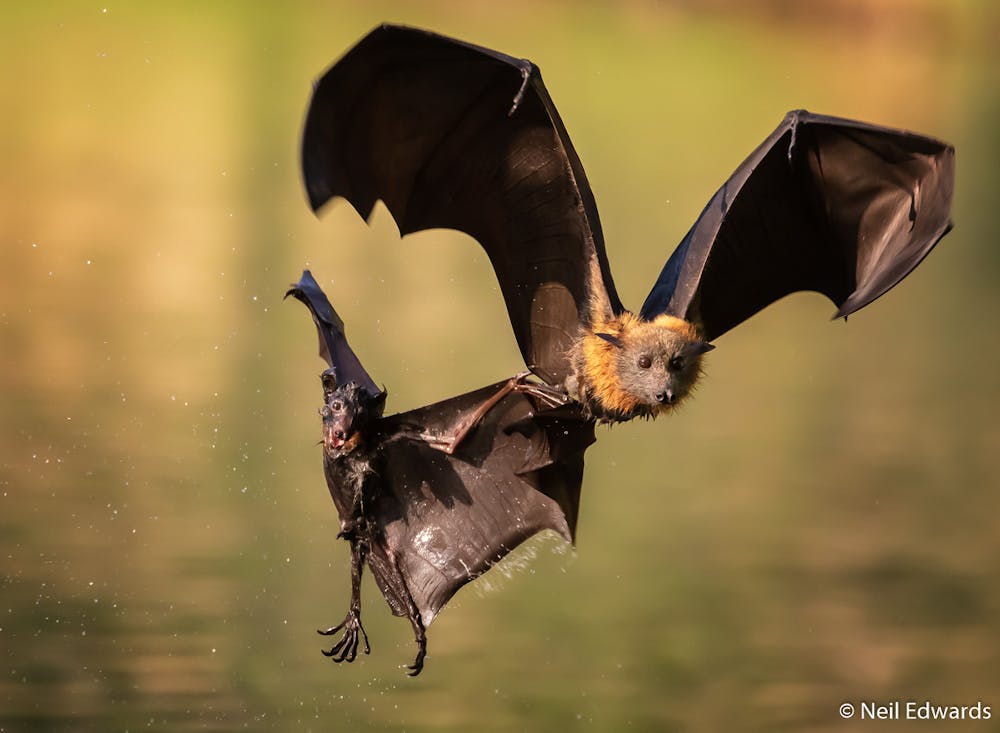
Just Hanging On by Neil Edwards. South Australian Museum

Did you know Flying Foxes drink by dipping into water and then licking their wet fur? “Foxes on the Wing” by Paul Huntley catches them doing it just right.
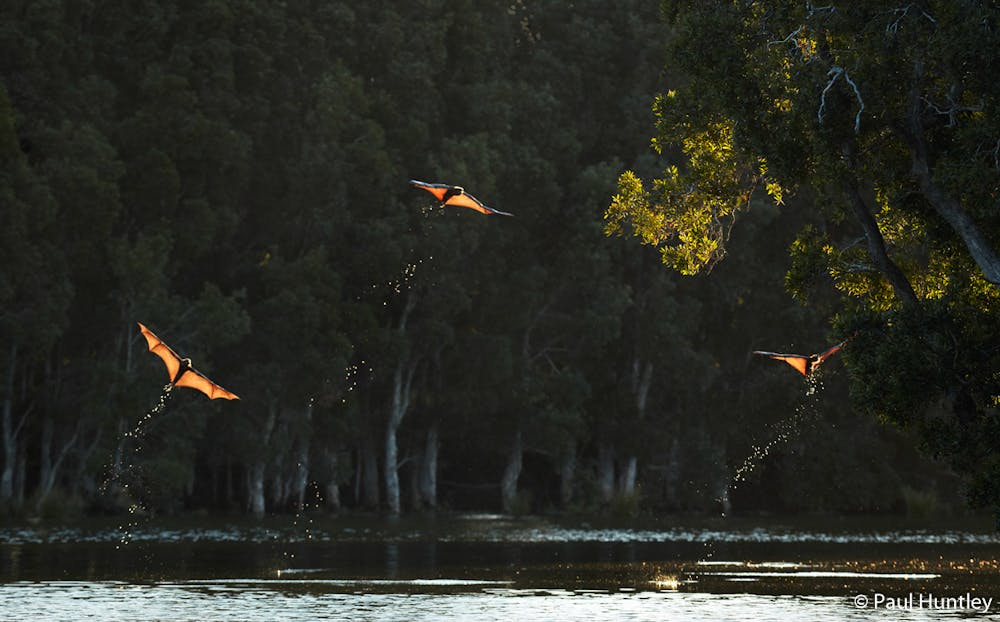
Paul Huntley’s Foxes on the Wing. South Australian Museum

Larger disruptions

In Richard Smith’s “In the Can”, tiny fish, peering out of discarded packaging hint at much larger disruptions caused by human efficiency in taking raw materials. Is there a deliberate irony here that humans efficiently take raw resources but neglect to recycle those that now litter the otherwise barren ocean floor?

In the Can by Richard Smith. South Australian Musem

Other tiny eyes peer from within a roof cavity in “A Possum’s Lookout” (Gary Meredith). These small mammals may be taking advantage of a new preferred habitat created by humans, or they may have been forced out of their usual habitats by other animals or disruptions.
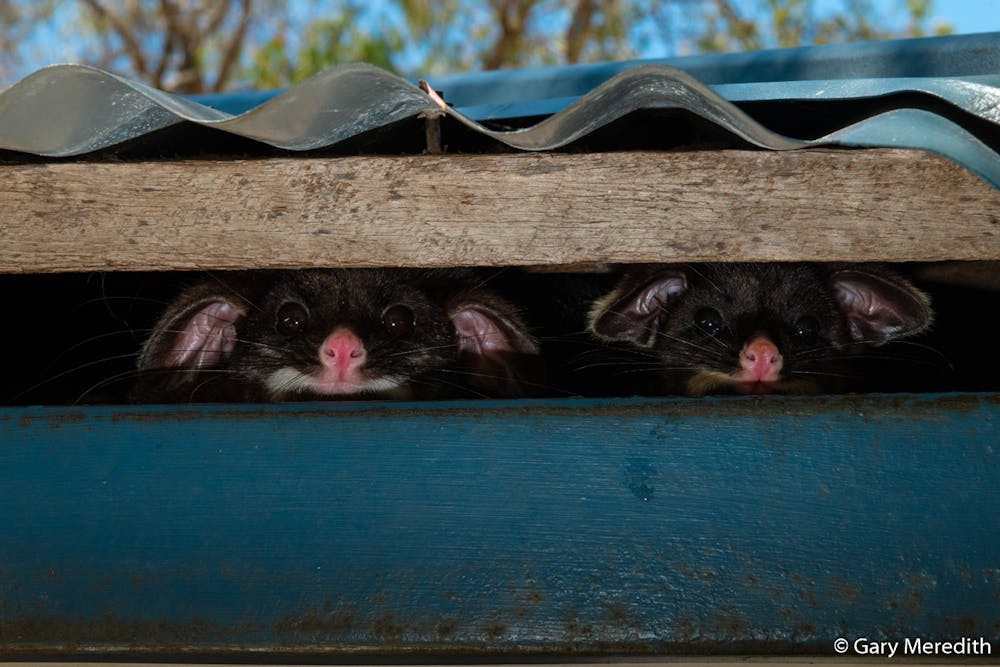
A Possum’s Lookout by Gary Meredith. South Australian Museum

Meanwhile, a Satin Bowerbird proudly surrounded by beautiful blue bottle tops adds a new symmetry in “Trash or Treasure” by Matt Wright.
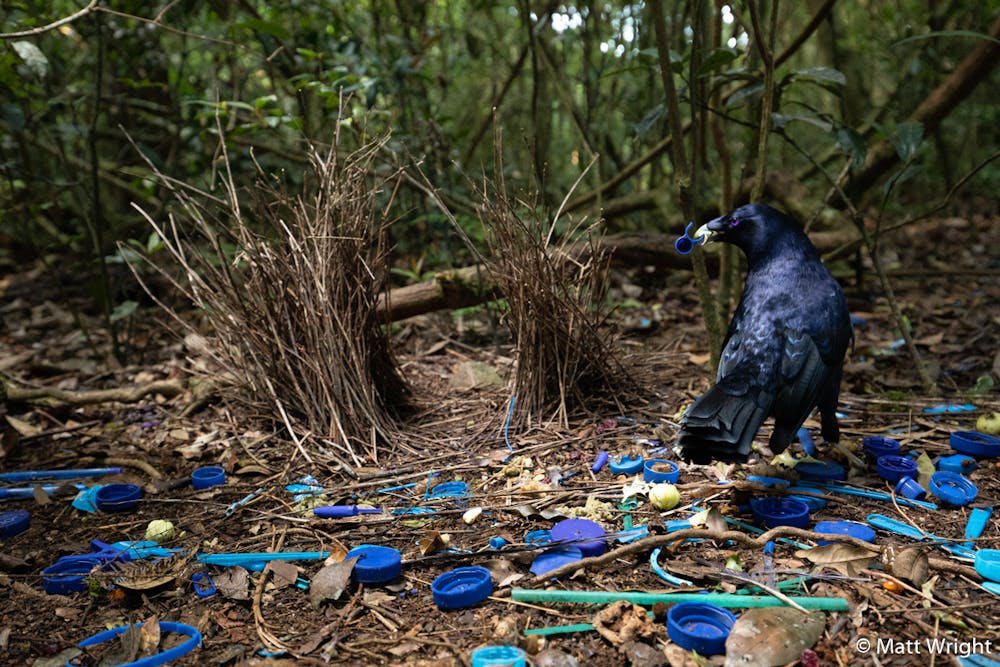
Trash or Treasure by Matt Wright. South Australian Museum

In this show, each photographer has brought a different perspective on nature. Each of these can enhance your worldview – allowing you to see the dynamics and resilience; the power and quiet; the destruction and rebirth inherent in it.

Next time you step out of your front door and see a tree in the street, really look at it.

See in it the young seedling of the past, its efforts to survive to the present, and the old senescent trunk full of decomposers of the future.

See in it the life of other organisms and how they use even the dead and ugly. See in it the beauty and power of nature “burning bright”.

The Australian Geographic Nature Photographer of the Year competition is produced by the South Australian Museum. It can be seen at the Powerhouse Museum in Sydney in partnership with the Australian Museum until 20 October and at the South Australian Museum until 10 November.


By Cris Brack, Associate professor, Australian National University

This article is republished from The Conversation under a Creative Commons license. Read the original article.


Tags: photographywildlife
DMCA.com Protection Status

SUBSCRIBE to our NEWSLETTER

[mc4wp_form id=”2384248″]

Don't Miss

The evolution of Aesthetic Surgery through the lens of Dr Kourosh Tavakoli

by Pauline Torongo
4 December 2025
The evolution of Aesthetic Surgery through the lens of Dr. Kourosh Tavakoli
Health & Wellness

As global interest in Australian cosmetic surgery continues to grow, the combination of regulation, research and emerging digital tools is...

Read moreDetails

Ryan: Building real freedom through e-commerce

by Pauline Torongo
27 November 2025
Ryan: Building real freedom through e-commerce
Business & Finance

Ryan’s greatest achievement isn’t any single business or revenue milestone — it’s the ecosystem he’s built through the Change community.

Read moreDetails

Design Australia Group: Redefining Drafting as the engine of housing growth

by Pauline Torongo
26 November 2025
Design Australia Group: Redefining Drafting as the engine of housing growth
Business & Finance

Australia is under pressure to build homes faster, but design bottlenecks slow progress. Design Australia Group is fixing this by...

Read moreDetails

Louis Guy Detata builds Global Trading Empires through autonomous systems and disciplined leadership

by Pauline Torongo
25 November 2025
Louis Guy Detata builds Global Trading Empires through autonomous systems and disciplined leadership
Business & Finance

The path from investment banking to leading a global trading platform has taught Louis Detata that sustainable success requires more...

Read moreDetails

Burning Eucalyptus Wood: Tips, Advantages, Disadvantages & Alternatives

by Fazila Olla-Logday
20 November 2025
Image Supplied
Enviroment

Learn about burning eucalyptus wood for stoves and fireplaces. Discover benefits, drawbacks, harvesting tips, and better alternative firewood options for...

Read moreDetails

Everything Parents Need to Know About Baby Soft Play and Why It’s a Game Changer

by Fazila Olla-Logday
11 November 2025
Everything Parents Need to Know About Baby Soft Play
Health & Wellness

Baby soft play is a fun, safe, and educational way for little ones to explore and grow. Discover the benefits...

Read moreDetails

WOMAD Sets Up a New Camp in Wiltshire – Australian festival fans take note!

by Kris Griffiths
11 November 2025
Kumbia Boruka brought their reggae and dancehall flavour to the Taste the World Stage at WOMAD 2024 - Credit - Mike Massaro
Entertainment

With its 2026 edition moving to Neston Park in England, WOMAD offers Aussie music lovers a chance to reconnect with global...

Read moreDetails
Load More

Copyright © Blue Sky Publications Ltd. All Rights Reserved.
australiantimes.co.uk is a division of Blue Sky Publications Ltd. Reproduction without permission prohibited. DMCA.com Protection Status

  • About us
  • Write for Us
  • Advertise
  • Contact us
  • T&Cs, Privacy and GDPR
No Result
View All Result
  • News
    • Weather
    • Sport
    • Technology
    • Business & Finance
      • Currency Zone
    • Lotto Results
      • The Lott
  • Lifestyle
    • Entertainment
    • Horoscopes
    • Health & Wellness
    • Recipes
  • Travel
  • Expat Life
  • Move to Australia

Copyright © Blue Sky Publications Ltd. All Rights Reserved.
australiantimes.co.uk is a division of Blue Sky Publications Ltd. Reproduction without permission prohibited. DMCA.com Protection Status

No Result
View All Result
  • News
    • Weather
    • Sport
    • Technology
    • Business & Finance
      • Currency Zone
    • Lotto Results
      • The Lott
  • Lifestyle
    • Entertainment
    • Horoscopes
    • Health & Wellness
    • Recipes
  • Travel
  • Expat Life
  • Move to Australia

Copyright © Blue Sky Publications Ltd. All Rights Reserved.
australiantimes.co.uk is a division of Blue Sky Publications Ltd. Reproduction without permission prohibited. DMCA.com Protection Status