


Eucalyptus Wood for Burning: Everything You Need to Know Before Using
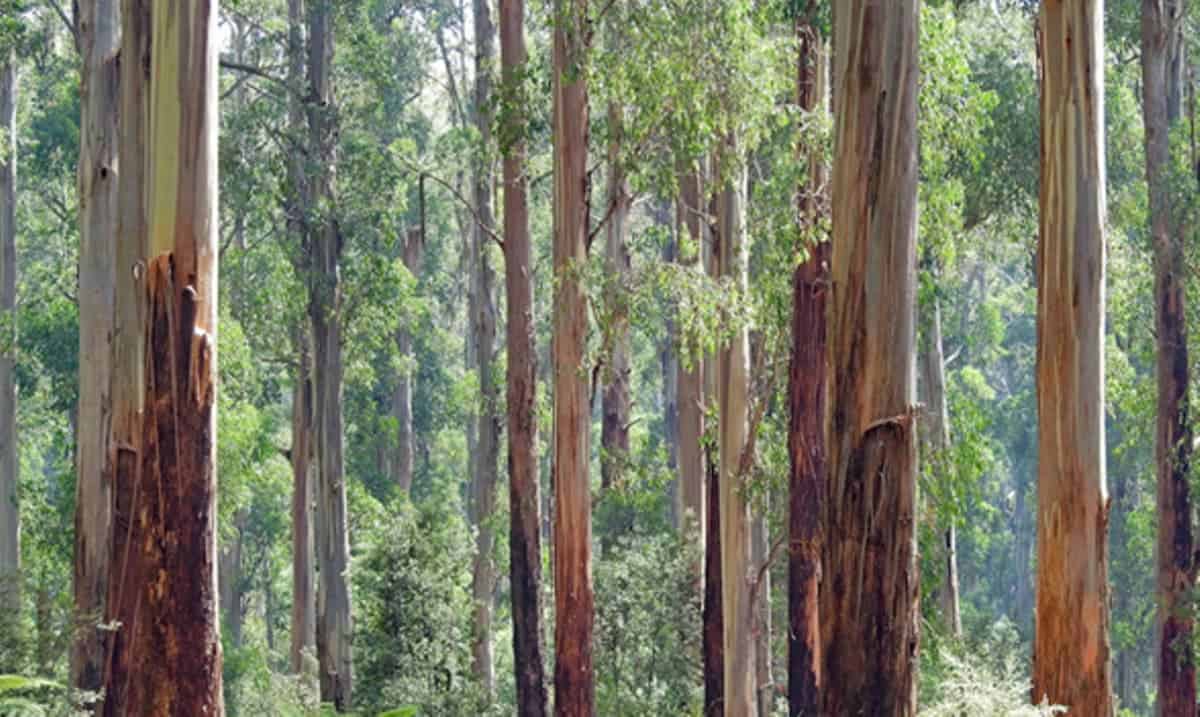
Eucalyptus is another tree which is fast-growing and frequently used in Australia and other countries as stoves, fireplaces, and open fire fuels. Its timber is known to produce a lot of heat, and it can make a fire last longer, hence it would be a good choice of heating timber to be used in the home. Nevertheless, there are also peculiarities and possible dangers of using eucalyptus that are necessary to consider before harvesting and burning this tree. In this article, we are going to examine in detail the strengths and weaknesses of eucalyptus wood, how it is harvested and some of the other possible types of firewood that can be more convenient and safer.
Benefits of Burning Eucalyptus
It is important to note that burning eucalyptus wood has a major strength of producing high heat. Lekto experts state that the amount of energy that can be generated by one cubic meter of eucalyptus is much greater than that of the majority of ancient hardwoods like oak or ash. This enables you to boil a room quicker and keep the room heated over a long period.
The principal merits of the eucalyptus wood may be summarised as follows:
- high heat production and severe heat;
- wood that grows fast and is easily harvestable;
- smoking incineration that forms an atmosphere;
- long-lasting fire;
- can be installed in any sort of fireplace and stove;
- availability in Australia and some regions.
This renders eucalyptus as a favourite in some situations. Nevertheless, one should do good research on this kind of wood and make a dispassionate judgment.
Disadvantages of Eucalyptus Wood
Although it has its clear benefits, eucalyptus has a range of severe negative characteristics. High concentration of natural oils is one of them. These oils produce a lot of smoke when they burn, and hasten the resin and soot deposition in the chimney. This puts more risks of damage of stoves and necessitates the frequent cleaning of chimneys.
The high heat production of the wood may also be an issue. When too much combustion is allowed in small fireplaces or stoves, it may overheat the equipment therefore causing wear and tear or damage.
Moreover, eucalyptus can be burnt very fast. To keep the fire going, it is necessary to keep adding more and more wood, which consumes more wood and needs more space to store it.
Eucalyptus Harvesting Process
Eucalyptus harvest is subject to several rules. In order to have a safe and efficient burning of the wood, it is necessary to include the right procedures. The key procedures may be summed up as follows:
- Tree selection. Choose well-grown trees that have the fewest knots.
- Felling and sawing. Timber is sliced to the right size to fit the stove or fireplace.
- Splitting. Slicing the timber into fine slices to smoulder;
- Drying. This might be dried by the sun over 12-18 months or dried by kilns.
- Storage. Keep dry and put out of contact with the earth;
- Safety precautions. Wear protective eyewear, gloves and equipment.
It is also important to follow these rules so that the wood will not smoke, e.g. it will decay much faster and be dangerous to equipment and people.
Eucalyptus Wood Storage Guidelines
Effective storage of eucalyptus wood is important to its quality and safety in burning. Logs that are already dry may lose their heat production or start rotting unless simple rules of storing are observed.
To store effectively, Lekto experts suggest:
- Keep firewood in a dry place that is well ventilated and free of rain and snow;
- Use pallets or racks to get the raise off the ground, in order not to have contact with wet soil.
- Get them set up in such a way that the air can move freely between rows of logs;
- Separate fresh firewood and old firewood in order to maximise fuel usage.
- Do not stack the wood too tightly; this will interfere with the drying and start to mould.
In addition, remember that the eucalyptus can easily burn in the heat and thus, store it in an area that is not exposed to open fires or heating apparatus. Adherence to these rules prolongs the life of wood, its properties, and simplifies and safer the process of its burning.
Burning Eucalyptus
When loading eucalyptus in stoves or fireplaces, people should not stuff fireboxes. Adding small portions at a time is advisable as the wood generates a lot of heat, and thus, it is necessary to regulate the intensity of the fire.
Also, make sure that it has good ventilation. Eucalyptus produces a strong scent that may irritate the respiratory system in those affected who have allergies or asthma.
To minimise resin, it is advisable to mix eucalyptus with other hardwoods, and also to use well-seasoned logs only.
Alternative Wood Options
Although eucalyptus is good, it can be easily replaced:
- Oak. It burns slowly, gives steady heat, and forms minimal resin.
- Ash. Easy to light, gives even heat, and little soot.
- Birch. smells sweet, lights easily, and fits fireplaces well;
- Maple. Mid-power heating and minimal smoke can be used in every stove.
By working with these woods, one will be able to consume wood more efficiently and avoid the possibility of breaking equipment.
Final Thoughts
Another interesting burning option can be the eucalyptus wood, particularly when a lot of heat production is required and aroma. It is, however, limited in several ways: it burns fast, smokes a lot, builds up resin and over-heating of stoves can take place. Harvesting and drying the processes that must be followed with strict procedures in order to prevent operating issues.
Mostly, it is more prudent to prefer to use more traditional wood like oak, ash, birch, or maple, which is safer and convenient to operate with. Eucalyptus should be viewed as an additional source of heating on a short-term, intensive basis; however, it should not be considered as the main source of fuel.







