

• Advertise
  • About us
  • Terms and Conditions
  • Contact us
Saturday, December 6, 2025
Australian Times News
  • News
    • Weather
    • Sport
    • Technology
    • Business & Finance
      • Currency Zone
    • Lotto Results
      • The Lott
  • Lifestyle
    • Entertainment
    • Horoscopes
    • Health & Wellness
    • Recipes
  • Travel
  • Expat Life
  • Move to Australia
No Result
View All Result
  • News
    • Weather
    • Sport
    • Technology
    • Business & Finance
      • Currency Zone
    • Lotto Results
      • The Lott
  • Lifestyle
    • Entertainment
    • Horoscopes
    • Health & Wellness
    • Recipes
  • Travel
  • Expat Life
  • Move to Australia
No Result
View All Result
Australian Times News
No Result
View All Result
Home News

Yes, we should be keeping the healthier hand-washing habits we developed at the start of the pandemic

People were washing their hands so much early in the pandemic that sensitive skin and soap shortages were common problems in 2020.

The Conversation by The Conversation
24-10-2021 11:53
in News
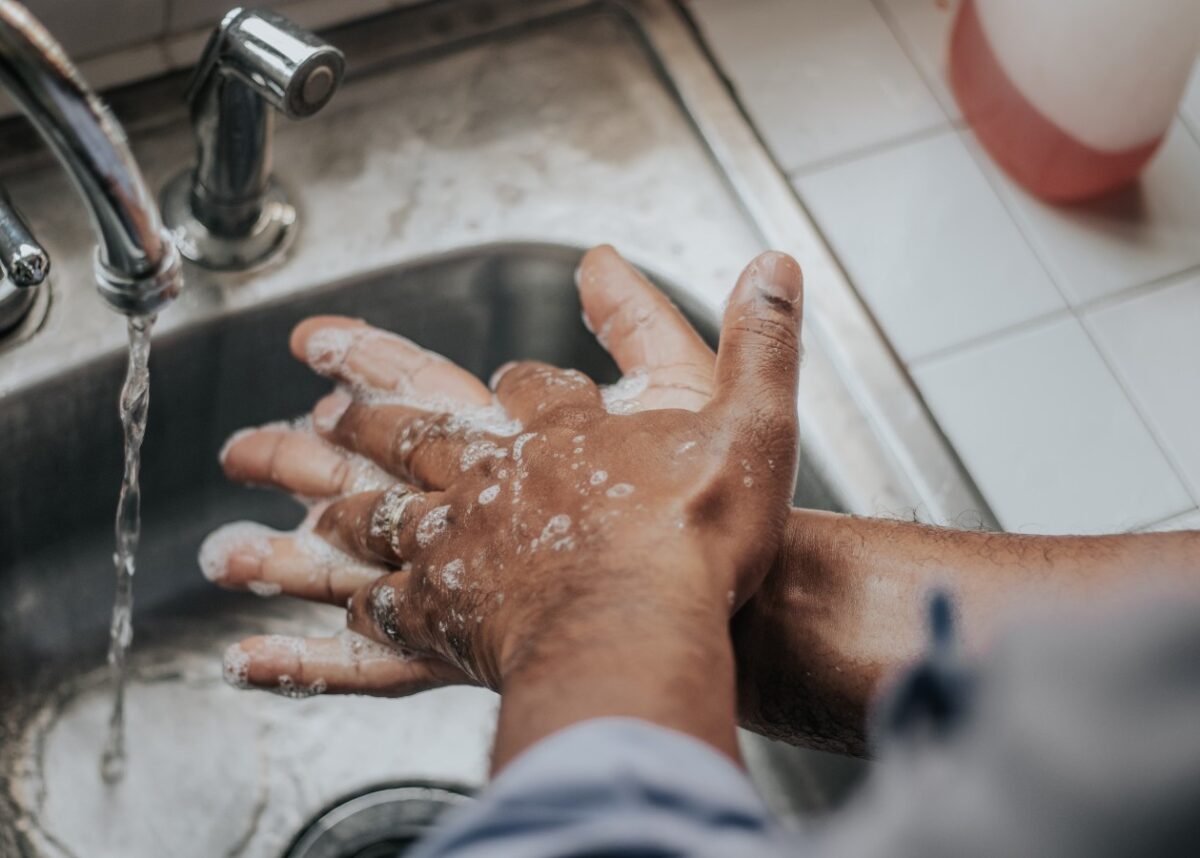
Photo by Mélissa Jeanty on Unsplash

Photo by Mélissa Jeanty on Unsplash

Melissa Hawkins, American University

People were washing their hands so much early in the pandemic that sensitive skin and soap shortages were common problems in 2020.

All this focus on hand-washing was for good reason. The science uniformly demonstrates that frequent hand-washing reduces the risk of a variety of illnesses. It is low-hanging fruit in terms of an easy, healthy habit to practice.

However, people today aren’t washing their hands as often as at the beginning of the pandemic, and many are wondering: Should I still be washing my hands more often because of the coronavirus? The short answer is yes. That is because you probably weren’t washing your hands nearly as often as you should have been before the pandemic.

I am an epidemiologist and mom of three boys, one girl, two cats and one dog. Between sports and a busy household, there are a lot of opportunities for germs to spread in our house, coronavirus or no coronavirus.
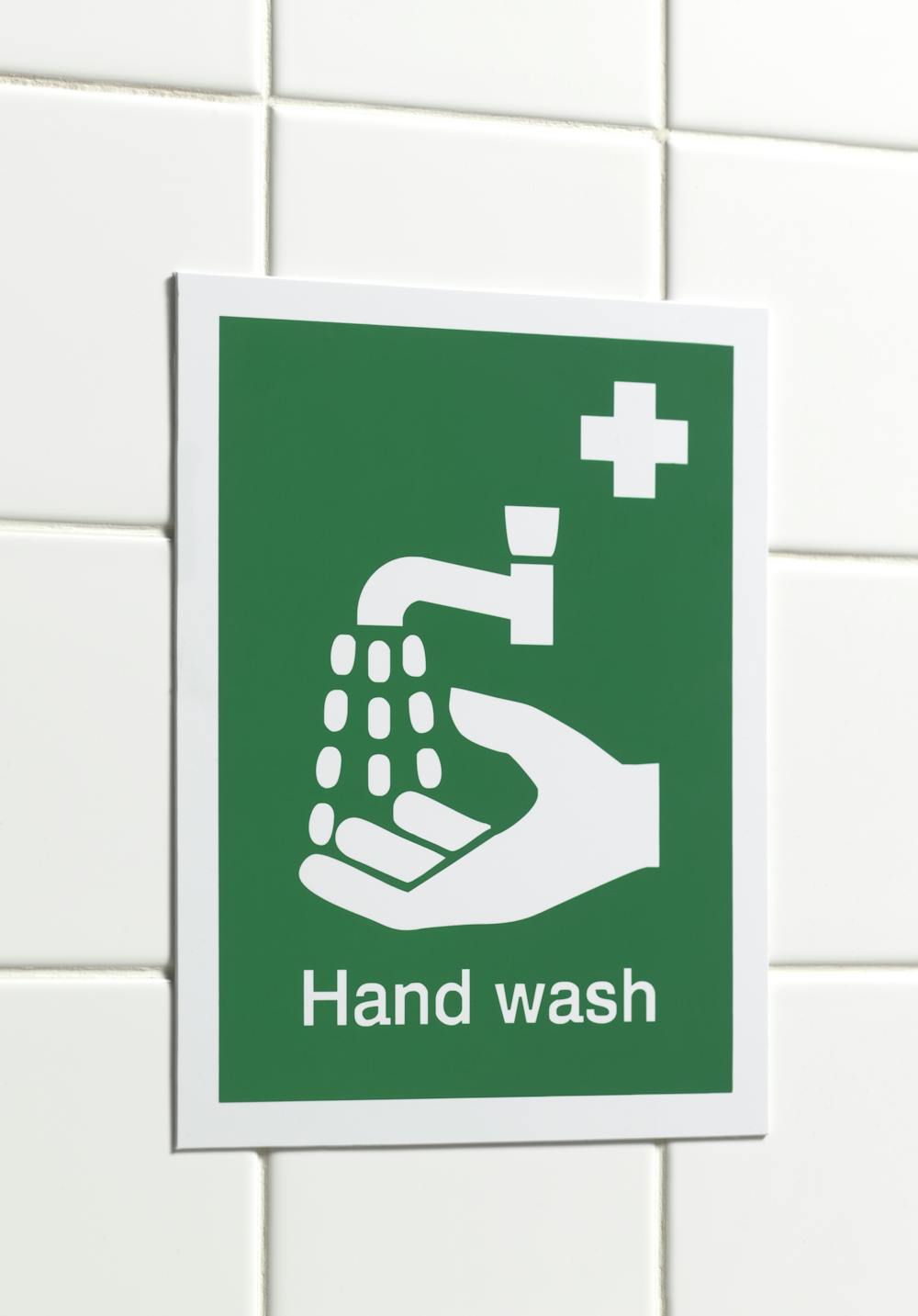
A green hand washing sign on a tile wall.
Before the pandemic, many people were not washing their hands as often as they should have. Peter Dazeley/The Image Bank via Getty Images

Hand-washing: How often?

You wash your hands after going to the bathroom, but when else should you be washing?

In general, germs can get on your hands in many ways – from dirty hands, droplets in the air released during a cough or sneeze, contaminated surfaces, or contact with a sick person’s body fluids. Your hands come into contact with thousands upon thousands of microorganisms each day – and that can be a problem considering that, on average, people touch their mouth, nose or eyes upward of 20 times per hour.


AlsoRead...

Ryan: Building real freedom through e-commerce

Ryan: Building real freedom through e-commerce

27 November 2025
Design Australia Group: Redefining Drafting as the engine of housing growth

Design Australia Group: Redefining Drafting as the engine of housing growth

26 November 2025

In hospitals, health care professionals are required to wash their hands before and after seeing every patient. While you and I might not need to do it quite as often, it’s always a good idea to wash your hands in warm or cold water with soap before eating, after using the bathroom, when coming inside from the outdoors and after any activity.

Before the pandemic, most people did not wash their hands enough. Men, in particular, were less likely than women to remember to wash their hands. In recent years prior to the pandemic, hand-washing hygiene had been slipping generally, both in terms of frequency of washing and duration as people are more often doing a simple rinse-and-run. One survey found that only around 40% of people reported washing their hands six or more times a day.
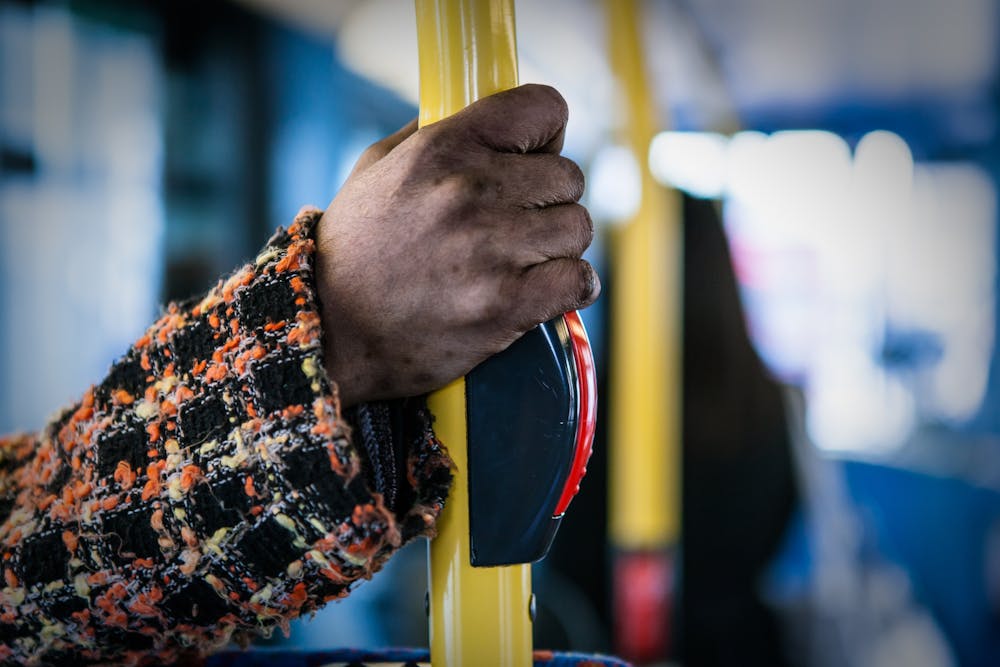
A hand holding a railing on a bus or train.
The risk of getting the coronavirus from touching a contaminated surface is low, but not zero. Alex Walker/Moment via Getty Images

Coronavirus transmission from touch

The SARS-CoV-2 virus is primarily spread through inhalation of infectious particles in the air. Catching the coronavirus from touching a surface – known as fomite transmission – is possible but is a low risk route of transmission, according to the Centers for Disease Control (CDC). This indirect transmission could happen if a person touched a contaminated surface, the coronavirus transferred to the person’s hand and then from their hand to their mouth, nose or eyes.

It is difficult to directly measure the risk of fomite transmission. Laboratory studies have demonstrated that the coronavirus can survive for hours and in some cases days on surfaces. However, other studies testing surfaces in real–world conditions – like a grocery store – did not detect the coronavirus. A research team estimated that the risk of infection from fomite transmission is less than 5 in 10,000 — significantly lower than risk estimates for infection through the airborne route and even lower than risk for influenza or norovirus.

But low risk is not no risk, and hand-washing has a direct, inverse association with illness. It has been shown to help prevent respiratory illnesses like colds, can reduce the spread of diarrhea and even helps to prevent children from missing school due to gastrointestinal illness.

The more you wash, the less likely you will have germs on your hands that can make you sick. This applies to the coronavirus as much as any other pathogen.
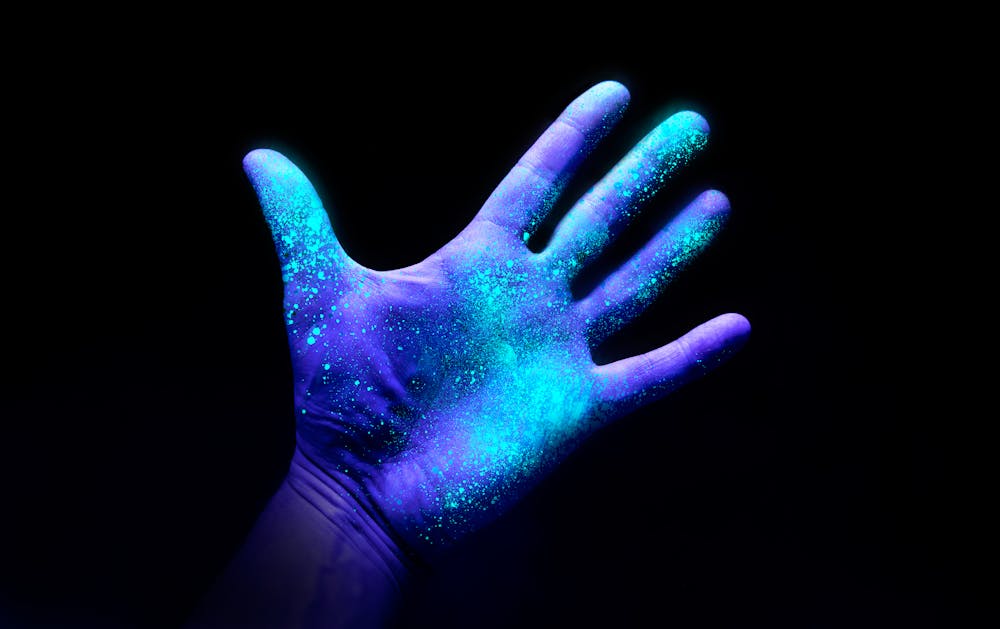
A hand under UV light glowing in many places.
Washing your hands can prevent the spread of many illnesses, including the coronavirus. Solarseven/iStock via Getty Images

When in doubt, wash

The CDC and public health experts often repeat that the first line of defense against the spread of the coronavirus is hand-washing with soap and water for at least 20 seconds.

In 2020, a survey by the CDC found that the chances a person washed their hands before doing certain things nearly doubled compared to 2019. But even so, people still weren’t washing their hands every time they should, pandemic or not. And despite this early increase, there is evidence that as coronavirus cases are dropping, hand-washing hygiene is falling too, even among health care professionals.

So how often should you wash your hands? The simple answer is every time you need to.

Use soap. Wash for 20 seconds at least – roughly one round of singing Happy Birthday. And remember to air dry or towel dry your hands because wet hands are also a good vector for transferring germs.

The science is clear that the commonplace practice of hand-washing is one of the most important activities that a person can do to avoid getting sick or spreading germs to other people. You probably weren’t doing it enough pre-pandemic, and there has never been a better time to improve your hand-washing hygiene, especially as the holiday season approaches.

[Over 110,000 readers rely on The Conversation’s newsletter to understand the world. Sign up today.]

Melissa Hawkins, Professor of Public Health, American University

This article is republished from The Conversation under a Creative Commons license. Read the original article.


Tags: SB001
DMCA.com Protection Status

SUBSCRIBE to our NEWSLETTER

[mc4wp_form id=”2384248″]

Don't Miss

The evolution of Aesthetic Surgery through the lens of Dr Kourosh Tavakoli

by Pauline Torongo
4 December 2025
The evolution of Aesthetic Surgery through the lens of Dr. Kourosh Tavakoli
Health & Wellness

As global interest in Australian cosmetic surgery continues to grow, the combination of regulation, research and emerging digital tools is...

Read moreDetails

Ryan: Building real freedom through e-commerce

by Pauline Torongo
27 November 2025
Ryan: Building real freedom through e-commerce
Business & Finance

Ryan’s greatest achievement isn’t any single business or revenue milestone — it’s the ecosystem he’s built through the Change community.

Read moreDetails

Design Australia Group: Redefining Drafting as the engine of housing growth

by Pauline Torongo
26 November 2025
Design Australia Group: Redefining Drafting as the engine of housing growth
Business & Finance

Australia is under pressure to build homes faster, but design bottlenecks slow progress. Design Australia Group is fixing this by...

Read moreDetails

Louis Guy Detata builds Global Trading Empires through autonomous systems and disciplined leadership

by Pauline Torongo
25 November 2025
Louis Guy Detata builds Global Trading Empires through autonomous systems and disciplined leadership
Business & Finance

The path from investment banking to leading a global trading platform has taught Louis Detata that sustainable success requires more...

Read moreDetails

Burning Eucalyptus Wood: Tips, Advantages, Disadvantages & Alternatives

by Fazila Olla-Logday
20 November 2025
Image Supplied
Enviroment

Learn about burning eucalyptus wood for stoves and fireplaces. Discover benefits, drawbacks, harvesting tips, and better alternative firewood options for...

Read moreDetails

Everything Parents Need to Know About Baby Soft Play and Why It’s a Game Changer

by Fazila Olla-Logday
11 November 2025
Everything Parents Need to Know About Baby Soft Play
Health & Wellness

Baby soft play is a fun, safe, and educational way for little ones to explore and grow. Discover the benefits...

Read moreDetails

WOMAD Sets Up a New Camp in Wiltshire – Australian festival fans take note!

by Kris Griffiths
11 November 2025
Kumbia Boruka brought their reggae and dancehall flavour to the Taste the World Stage at WOMAD 2024 - Credit - Mike Massaro
Entertainment

With its 2026 edition moving to Neston Park in England, WOMAD offers Aussie music lovers a chance to reconnect with global...

Read moreDetails
Load More

Copyright © Blue Sky Publications Ltd. All Rights Reserved.
australiantimes.co.uk is a division of Blue Sky Publications Ltd. Reproduction without permission prohibited. DMCA.com Protection Status

  • About us
  • Write for Us
  • Advertise
  • Contact us
  • T&Cs, Privacy and GDPR
No Result
View All Result
  • News
    • Weather
    • Sport
    • Technology
    • Business & Finance
      • Currency Zone
    • Lotto Results
      • The Lott
  • Lifestyle
    • Entertainment
    • Horoscopes
    • Health & Wellness
    • Recipes
  • Travel
  • Expat Life
  • Move to Australia

Copyright © Blue Sky Publications Ltd. All Rights Reserved.
australiantimes.co.uk is a division of Blue Sky Publications Ltd. Reproduction without permission prohibited. DMCA.com Protection Status

No Result
View All Result
  • News
    • Weather
    • Sport
    • Technology
    • Business & Finance
      • Currency Zone
    • Lotto Results
      • The Lott
  • Lifestyle
    • Entertainment
    • Horoscopes
    • Health & Wellness
    • Recipes
  • Travel
  • Expat Life
  • Move to Australia

Copyright © Blue Sky Publications Ltd. All Rights Reserved.
australiantimes.co.uk is a division of Blue Sky Publications Ltd. Reproduction without permission prohibited. DMCA.com Protection Status





