• Advertise
  • About us
  • Terms and Conditions
  • Contact us
Saturday, December 6, 2025
Australian Times News
  • News
    • Weather
    • Sport
    • Technology
    • Business & Finance
      • Currency Zone
    • Lotto Results
      • The Lott
  • Lifestyle
    • Entertainment
    • Horoscopes
    • Health & Wellness
    • Recipes
  • Travel
  • Expat Life
  • Move to Australia
No Result
View All Result
  • News
    • Weather
    • Sport
    • Technology
    • Business & Finance
      • Currency Zone
    • Lotto Results
      • The Lott
  • Lifestyle
    • Entertainment
    • Horoscopes
    • Health & Wellness
    • Recipes
  • Travel
  • Expat Life
  • Move to Australia
No Result
View All Result
Australian Times News
No Result
View All Result
Home News

Charging ahead: how to make sure the electric vehicle transition is sustainable and just

Electric vehicles (EVs) are hitting the roads in ever greater numbers. Global EV sales were up by 168% in the first half of 2021 compared to 2020, and are expected to cost the same as – or even less than – combustion (petrol and diesel) cars by 2028 at the latest.

The Conversation by The Conversation
05-09-2021 22:25
in News
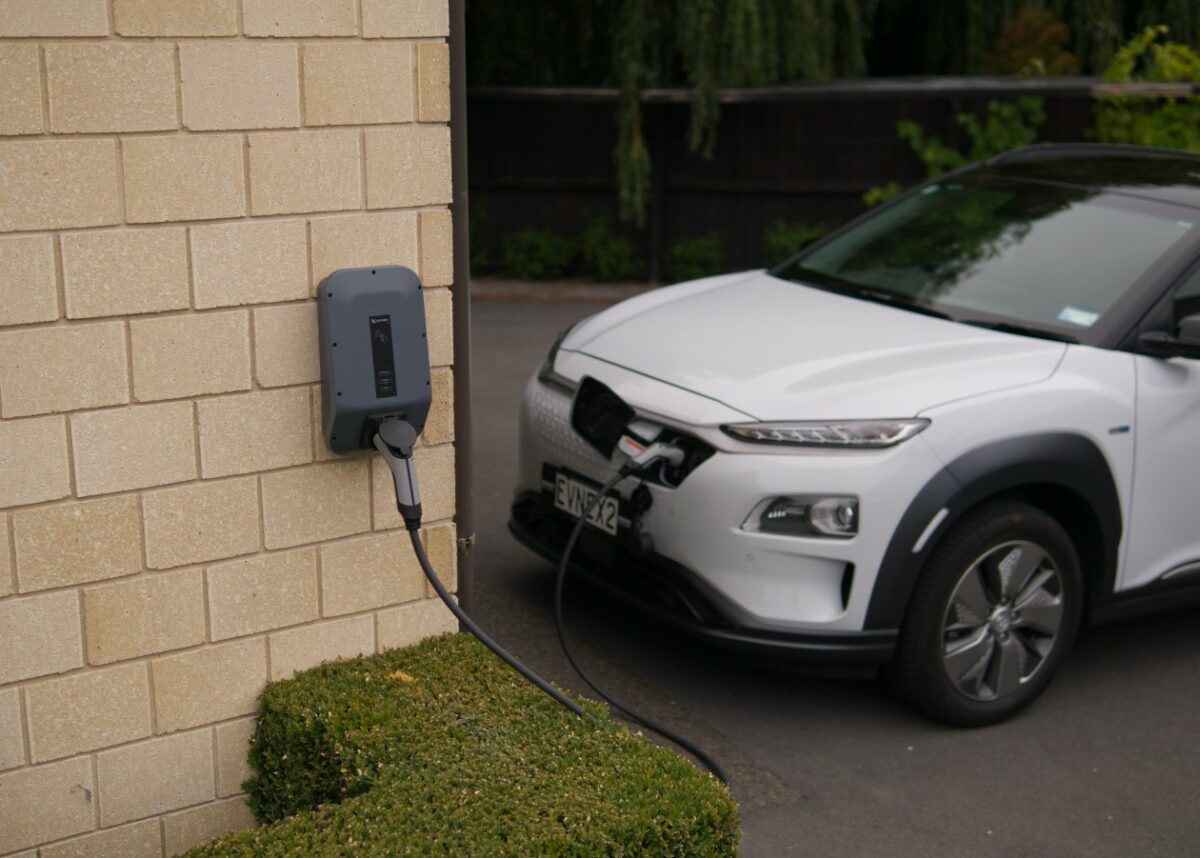
Photo by Ed Harvey on Unsplash

Photo by Ed Harvey on Unsplash

Rachel Lee, University of Sheffield

Electric vehicles (EVs) are hitting the roads in ever greater numbers. Global EV sales were up by 168% in the first half of 2021 compared to 2020, and are expected to cost the same as – or even less than – combustion (petrol and diesel) cars by 2028 at the latest. Accompanied by proposed government bans on the sale of combustion vehicles in many countries, EVs will be increasingly commonplace over the next decade.

But EV uptake brings its own set of challenges. While the UK’s national energy provider has assured consumers that there is “definitely enough energy” to facilitate mass EV adoption, the problem lies in how to sustainably and cheaply supply cars with power.

Our local networks were not designed to charge millions of cars with energy simultaneously and, as we move towards a zero-carbon electricity system with variable wind and solar generation, the energy may not be there when we need it most.

The key to handling this lies in ensuring EVs are able to affordably charge when there is plenty of wind and sun-driven energy available. Coordinating this requires significant planning and government investment into a smart charging network.

How to charge

When we decide how to charge an EV, a key consideration is the vehicle’s “dwell time” at its charging location.

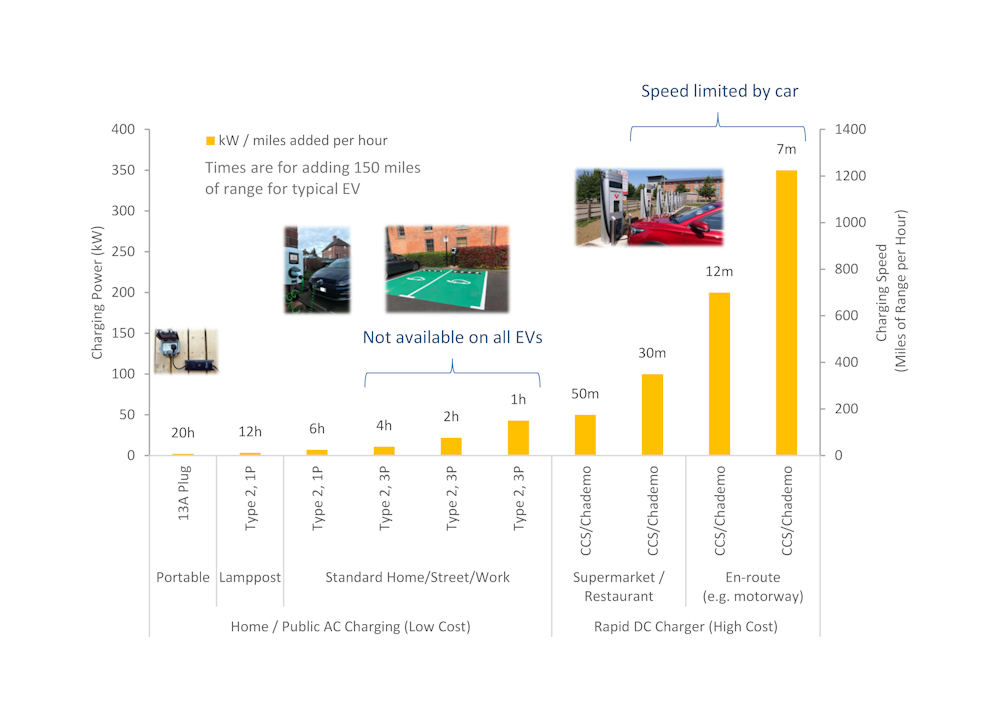
If the driver is at home for the night or at work for the day – and therefore in no rush to charge – they can use a seven kW charger, a standard home charger in the UK, to charge their car for a week’s driving (about 250km) in an eight hour session. But if the driver decides to charge their car on the same charger while they pop to the supermarket for just 45 minutes, they’ll only get around 30km of extra range: barely enough for a day’s driving.


AlsoRead...

Ryan: Building real freedom through e-commerce

Ryan: Building real freedom through e-commerce

27 November 2025
Design Australia Group: Redefining Drafting as the engine of housing growth

Design Australia Group: Redefining Drafting as the engine of housing growth

26 November 2025

Dwell times and charging speeds

A chart showing EV dwell times and charging speeds
How long cars parked at different chargers need to power up. Author provided

In the latter situation, a “DC Rapid” charger – which typically provides between 50 to 150kW – is more appropriate. While they are far more expensive – typically at least ten times the cost of a standard home charger – you get what you pay for: using these chargers will provide roughly a week’s driving in just 45 minutes.

The problem with these rapid charges is that, as well as being expensive, they place large demands on electricity infrastructure which could lead to local blackouts. Since, on average, cars spend about 95% of their time parked, you’d ideally want them to be slowly charging from excess renewable energy during that time, with rapid charges reserved for long road trips and occasional emergency charges.
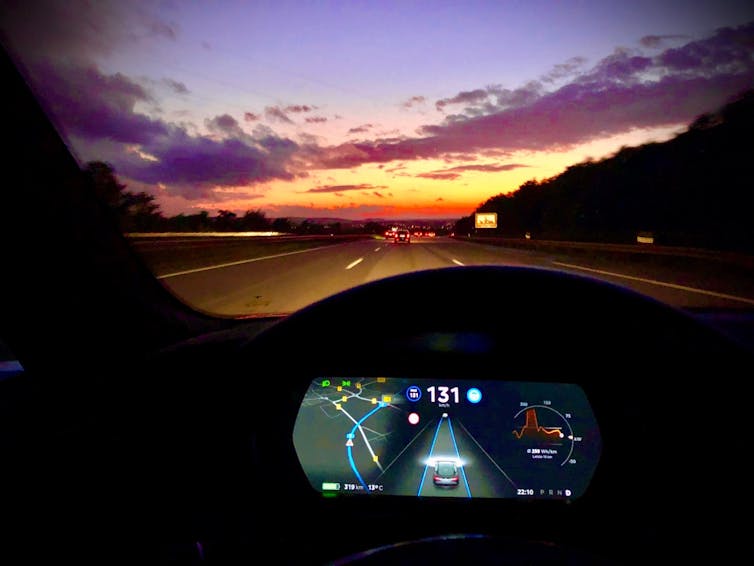
The dashboard seen from inside an electric car at sunset
The Honda e, a new fully electric car, is an example of EV models hitting the market. EVClicks

In future, cars might also help support their local electricity grid by discharging power at times of high demand when renewable generation is low – a technology known as “vehicle-to-grid”. To enable this technology, communication between chargers and cars needs to be a two-way street, allowing drivers to simultaneously charge up and support the grid.

Energy inequality

Access to power is also a financial issue. For those with off-street parking at home, staying plugged in is easy, but many don’t have that option. That means plugged-in households will have access to low-cost travel, whilst those without home charging will face higher costs due to expensive street charging. In the UK, around 7 million households, many on lower incomes, fall into the latter group.

We must widen access to charging not just to help the grid, but also to reduce social inequity. Street chargers could be automatically assigned to the car owner’s account when they plug in, enabling those without home charging to access a full range of services for the same cost as someone with a home charger.
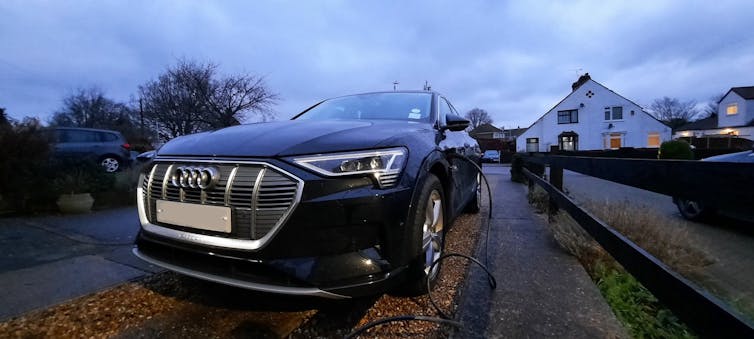
An electric car charges outside a home
Charger availability for EVs could lead to increased inequality. EVClicks

In the UK, we’d need about 750,000 street chargers to ensure that those without home chargers can charge once a week. If we want to make use of the energy storage in those cars to help balance production and consumption from the grid – and to achieve the UK’s net zero target – I’d estimate we’d need up to 5 million chargers. That would require 500 new street chargers to be installed every day between now and 2050.

Using our cars to help balance our grid will likely be cheaper than energy storage alternatives like pumped-storage hydroelectricity or liquid air storage, since we already have some of the infrastructure we need. But to make this happen, car manufacturers, network operators and energy suppliers – and the UK government – must coordinate to put the right chargers in the right places at the right time.

Rachel Lee, PhD Candidate in Electric Vehicle Usage, University of Sheffield

This article is republished from The Conversation under a Creative Commons license. Read the original article.


Tags: SB001
DMCA.com Protection Status

SUBSCRIBE to our NEWSLETTER

[mc4wp_form id=”2384248″]

Don't Miss

The evolution of Aesthetic Surgery through the lens of Dr Kourosh Tavakoli

by Pauline Torongo
4 December 2025
The evolution of Aesthetic Surgery through the lens of Dr. Kourosh Tavakoli
Health & Wellness

As global interest in Australian cosmetic surgery continues to grow, the combination of regulation, research and emerging digital tools is...

Read moreDetails

Ryan: Building real freedom through e-commerce

by Pauline Torongo
27 November 2025
Ryan: Building real freedom through e-commerce
Business & Finance

Ryan’s greatest achievement isn’t any single business or revenue milestone — it’s the ecosystem he’s built through the Change community.

Read moreDetails

Design Australia Group: Redefining Drafting as the engine of housing growth

by Pauline Torongo
26 November 2025
Design Australia Group: Redefining Drafting as the engine of housing growth
Business & Finance

Australia is under pressure to build homes faster, but design bottlenecks slow progress. Design Australia Group is fixing this by...

Read moreDetails

Louis Guy Detata builds Global Trading Empires through autonomous systems and disciplined leadership

by Pauline Torongo
25 November 2025
Louis Guy Detata builds Global Trading Empires through autonomous systems and disciplined leadership
Business & Finance

The path from investment banking to leading a global trading platform has taught Louis Detata that sustainable success requires more...

Read moreDetails

Burning Eucalyptus Wood: Tips, Advantages, Disadvantages & Alternatives

by Fazila Olla-Logday
20 November 2025
Image Supplied
Enviroment

Learn about burning eucalyptus wood for stoves and fireplaces. Discover benefits, drawbacks, harvesting tips, and better alternative firewood options for...

Read moreDetails

Everything Parents Need to Know About Baby Soft Play and Why It’s a Game Changer

by Fazila Olla-Logday
11 November 2025
Everything Parents Need to Know About Baby Soft Play
Health & Wellness

Baby soft play is a fun, safe, and educational way for little ones to explore and grow. Discover the benefits...

Read moreDetails

WOMAD Sets Up a New Camp in Wiltshire – Australian festival fans take note!

by Kris Griffiths
11 November 2025
Kumbia Boruka brought their reggae and dancehall flavour to the Taste the World Stage at WOMAD 2024 - Credit - Mike Massaro
Entertainment

With its 2026 edition moving to Neston Park in England, WOMAD offers Aussie music lovers a chance to reconnect with global...

Read moreDetails
Load More

Copyright © Blue Sky Publications Ltd. All Rights Reserved.
australiantimes.co.uk is a division of Blue Sky Publications Ltd. Reproduction without permission prohibited. DMCA.com Protection Status

  • About us
  • Write for Us
  • Advertise
  • Contact us
  • T&Cs, Privacy and GDPR
No Result
View All Result
  • News
    • Weather
    • Sport
    • Technology
    • Business & Finance
      • Currency Zone
    • Lotto Results
      • The Lott
  • Lifestyle
    • Entertainment
    • Horoscopes
    • Health & Wellness
    • Recipes
  • Travel
  • Expat Life
  • Move to Australia

Copyright © Blue Sky Publications Ltd. All Rights Reserved.
australiantimes.co.uk is a division of Blue Sky Publications Ltd. Reproduction without permission prohibited. DMCA.com Protection Status

No Result
View All Result
  • News
    • Weather
    • Sport
    • Technology
    • Business & Finance
      • Currency Zone
    • Lotto Results
      • The Lott
  • Lifestyle
    • Entertainment
    • Horoscopes
    • Health & Wellness
    • Recipes
  • Travel
  • Expat Life
  • Move to Australia

Copyright © Blue Sky Publications Ltd. All Rights Reserved.
australiantimes.co.uk is a division of Blue Sky Publications Ltd. Reproduction without permission prohibited. DMCA.com Protection Status