

• Advertise
  • About us
  • Terms and Conditions
  • Contact us
Saturday, December 6, 2025
Australian Times News
  • News
    • Weather
    • Sport
    • Technology
    • Business & Finance
      • Currency Zone
    • Lotto Results
      • The Lott
  • Lifestyle
    • Entertainment
    • Horoscopes
    • Health & Wellness
    • Recipes
  • Travel
  • Expat Life
  • Move to Australia
No Result
View All Result
  • News
    • Weather
    • Sport
    • Technology
    • Business & Finance
      • Currency Zone
    • Lotto Results
      • The Lott
  • Lifestyle
    • Entertainment
    • Horoscopes
    • Health & Wellness
    • Recipes
  • Travel
  • Expat Life
  • Move to Australia
No Result
View All Result
Australian Times News
No Result
View All Result
Home News

Climate change: as mountain regions warm, hydroelectric power plants may be vulnerable

Around 27 million cubic metres of rock and glacier ice collapsed from Ronti Peak in the northern Indian Himalayas on February 7 2021, falling 1,800 metres into the valley below. The glacier ice melted as it cascaded down the mountain, mixing with rock and sediment to generate an extraordinary flow of debris that destroyed roads, bridges and two hydroelectric power stations.

The Conversation by The Conversation
30-06-2021 22:27
in News
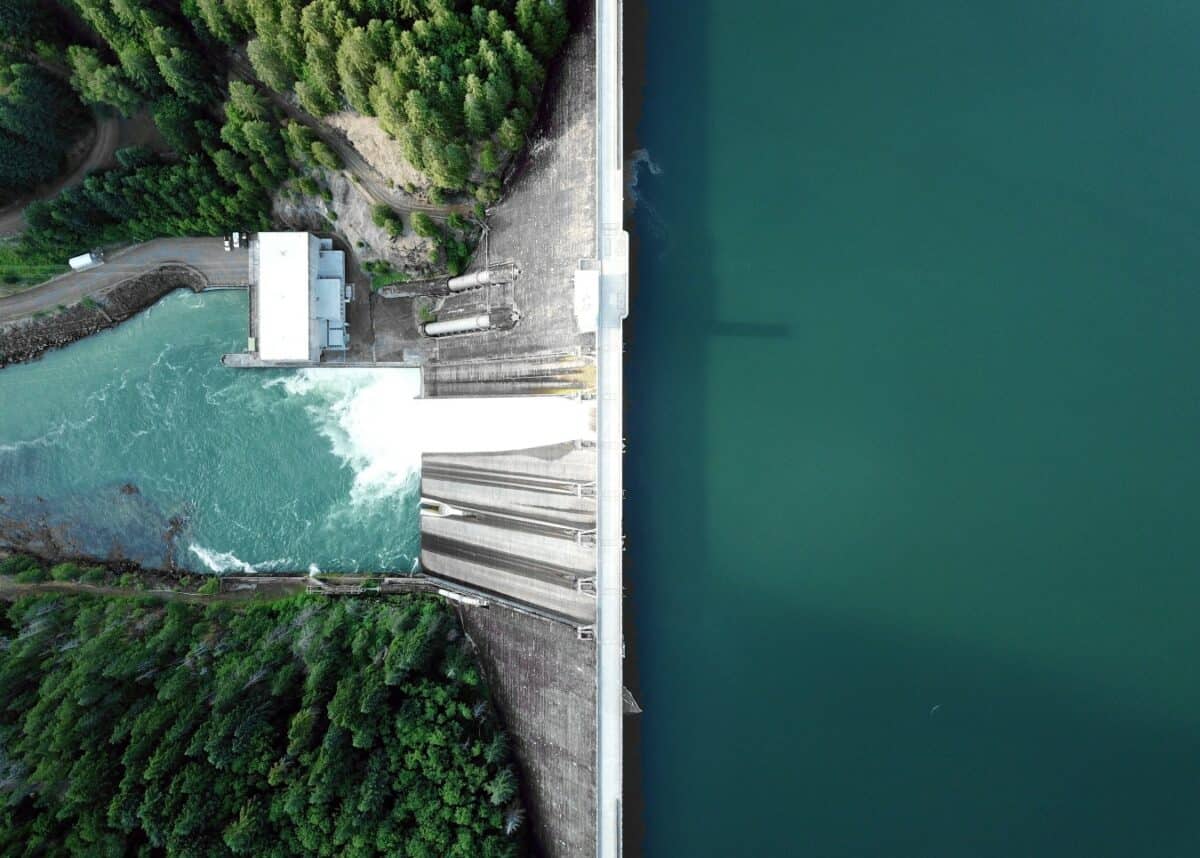
Photo by Dan Meyers on Unsplash

Photo by Dan Meyers on Unsplash

Simon Cook, University of Dundee

Around 27 million cubic metres of rock and glacier ice collapsed from Ronti Peak in the northern Indian Himalayas on February 7 2021, falling 1,800 metres into the valley below. The glacier ice melted as it cascaded down the mountain, mixing with rock and sediment to generate an extraordinary flow of debris that destroyed roads, bridges and two hydroelectric power stations. Tragically, more than 200 people are believed to have lost their lives, many of them construction workers at the Tapovan hydropower plant.

Though it’s always difficult to attribute any single event to climate change, rising global temperatures may have played a part in this event, known as the Chamoli disaster. And if climate change helped cause this landslide, it could threaten hydropower infrastructure globally.

Mountain regions like the Himalayas are sensitive to change. These environments tend to have steep, unstable valley walls, and earthquakes are relatively common. But climate change can tip the scales towards more frequent and higher magnitude events.

For example, we might expect more landslides where valley slopes are left without support, as adjacent glaciers thin and recede. Where permafrost thaws, it removes the icy cement that binds mountain rock and sediment together. Rising temperatures can prompt the sudden release of meltwater from growing glacial lakes, and the collapse of entire glaciers as they warm up.

So should we be nervous about developing hydropower in mountain regions if these landscapes are becoming more unstable? Well, it’s complicated. Hydropower can help reduce dependence on burning fossil fuels, and it is particularly important in the world’s high-altitude regions. Peru, for example, generates around half of its electricity from hydropower, and it continues to invest in new infrastructure.

While disasters inevitably provoke difficult questions, it’s important to keep some perspective on the sustainability of hydropower.


AlsoRead...

Ryan: Building real freedom through e-commerce

Ryan: Building real freedom through e-commerce

27 November 2025
Design Australia Group: Redefining Drafting as the engine of housing growth

Design Australia Group: Redefining Drafting as the engine of housing growth

26 November 2025

Hydropower in a warming world

As one of my colleagues put it: “Sometimes bedrock slopes just fail; there’s no specific trigger.” There are well-documented incidents where hydropower dams have been damaged or destroyed without any link to climate change. An infamous example is the 1963 Vajont disaster in northern Italy, where a valley wall slid into a reservoir and generated a mega-tsunami that engulfed the impounding dam, killing more than 2,500 people downstream.

The precise causes have been debated since, but it is thought that as the reservoir was being filled with water, clay-rich layers in the valley side were saturated. This wet clay would have served as a naturally weak plane along which the landslide could move.

Other energy sources and their infrastructure carry their own inherent risks – think the Chernobyl nuclear power plant, or the Deepwater Horizon oil drilling rig. Many of the world’s power stations are vulnerable to climate change because of their proximity to the coast, with many threatened by rising sea levels.

It may never have been wise to develop hydropower at the site of the Chamoli disaster. This same valley had experienced large ice avalanches in 2000 and 2016 and has seen several major floods in recent years. It is of course extremely difficult to predict if, when and where these sorts of events might occur, but this is evidently an unstable landscape.

Scientists have developed a number of ways to monitor how landscapes are changing, particularly using satellite images. We have the tools to spot warning signs and develop hydropower as safely as can be reasonably expected. Tragically though, these tools are not always used, or the warnings are ignored, as seems to have been the case at Chamoli.

There is a cruel irony that hydropower can help countries reduce carbon emissions at the same time as dams are becoming increasingly vulnerable in a climate warming as a result of those emissions. We can develop this energy source safely, but it requires careful decision making, informed by research, and with continued monitoring of changing landscapes and the climate.

Simon Cook, Senior Lecturer in Environmental Change, University of Dundee

This article is republished from The Conversation under a Creative Commons license. Read the original article.


Tags: SB001
DMCA.com Protection Status

SUBSCRIBE to our NEWSLETTER

[mc4wp_form id=”2384248″]

Don't Miss

The evolution of Aesthetic Surgery through the lens of Dr Kourosh Tavakoli

by Pauline Torongo
4 December 2025
The evolution of Aesthetic Surgery through the lens of Dr. Kourosh Tavakoli
Health & Wellness

As global interest in Australian cosmetic surgery continues to grow, the combination of regulation, research and emerging digital tools is...

Read moreDetails

Ryan: Building real freedom through e-commerce

by Pauline Torongo
27 November 2025
Ryan: Building real freedom through e-commerce
Business & Finance

Ryan’s greatest achievement isn’t any single business or revenue milestone — it’s the ecosystem he’s built through the Change community.

Read moreDetails

Design Australia Group: Redefining Drafting as the engine of housing growth

by Pauline Torongo
26 November 2025
Design Australia Group: Redefining Drafting as the engine of housing growth
Business & Finance

Australia is under pressure to build homes faster, but design bottlenecks slow progress. Design Australia Group is fixing this by...

Read moreDetails

Louis Guy Detata builds Global Trading Empires through autonomous systems and disciplined leadership

by Pauline Torongo
25 November 2025
Louis Guy Detata builds Global Trading Empires through autonomous systems and disciplined leadership
Business & Finance

The path from investment banking to leading a global trading platform has taught Louis Detata that sustainable success requires more...

Read moreDetails

Burning Eucalyptus Wood: Tips, Advantages, Disadvantages & Alternatives

by Fazila Olla-Logday
20 November 2025
Image Supplied
Enviroment

Learn about burning eucalyptus wood for stoves and fireplaces. Discover benefits, drawbacks, harvesting tips, and better alternative firewood options for...

Read moreDetails

Everything Parents Need to Know About Baby Soft Play and Why It’s a Game Changer

by Fazila Olla-Logday
11 November 2025
Everything Parents Need to Know About Baby Soft Play
Health & Wellness

Baby soft play is a fun, safe, and educational way for little ones to explore and grow. Discover the benefits...

Read moreDetails

WOMAD Sets Up a New Camp in Wiltshire – Australian festival fans take note!

by Kris Griffiths
11 November 2025
Kumbia Boruka brought their reggae and dancehall flavour to the Taste the World Stage at WOMAD 2024 - Credit - Mike Massaro
Entertainment

With its 2026 edition moving to Neston Park in England, WOMAD offers Aussie music lovers a chance to reconnect with global...

Read moreDetails
Load More

Copyright © Blue Sky Publications Ltd. All Rights Reserved.
australiantimes.co.uk is a division of Blue Sky Publications Ltd. Reproduction without permission prohibited. DMCA.com Protection Status

  • About us
  • Write for Us
  • Advertise
  • Contact us
  • T&Cs, Privacy and GDPR
No Result
View All Result
  • News
    • Weather
    • Sport
    • Technology
    • Business & Finance
      • Currency Zone
    • Lotto Results
      • The Lott
  • Lifestyle
    • Entertainment
    • Horoscopes
    • Health & Wellness
    • Recipes
  • Travel
  • Expat Life
  • Move to Australia

Copyright © Blue Sky Publications Ltd. All Rights Reserved.
australiantimes.co.uk is a division of Blue Sky Publications Ltd. Reproduction without permission prohibited. DMCA.com Protection Status

No Result
View All Result
  • News
    • Weather
    • Sport
    • Technology
    • Business & Finance
      • Currency Zone
    • Lotto Results
      • The Lott
  • Lifestyle
    • Entertainment
    • Horoscopes
    • Health & Wellness
    • Recipes
  • Travel
  • Expat Life
  • Move to Australia

Copyright © Blue Sky Publications Ltd. All Rights Reserved.
australiantimes.co.uk is a division of Blue Sky Publications Ltd. Reproduction without permission prohibited. DMCA.com Protection Status





