

• Advertise
  • About us
  • Terms and Conditions
  • Contact us
Friday, December 5, 2025
Australian Times News
  • News
    • Weather
    • Sport
    • Technology
    • Business & Finance
      • Currency Zone
    • Lotto Results
      • The Lott
  • Lifestyle
    • Entertainment
    • Horoscopes
    • Health & Wellness
    • Recipes
  • Travel
  • Expat Life
  • Move to Australia
No Result
View All Result
  • News
    • Weather
    • Sport
    • Technology
    • Business & Finance
      • Currency Zone
    • Lotto Results
      • The Lott
  • Lifestyle
    • Entertainment
    • Horoscopes
    • Health & Wellness
    • Recipes
  • Travel
  • Expat Life
  • Move to Australia
No Result
View All Result
Australian Times News
No Result
View All Result
Home News

Rapid delivery grocery apps have flourished during the pandemic – but will they permanently change how we shop?

Billions of dollars are flowing to support companies you may never have heard of – startups with memorable names like Zapp, Deliveroo, Getir and Gorillas. These speedy delivery companies have become the go-to for many grocery shoppers trying to avoid busy supermarkets during the pandemic, and have caught the eyes of venture capitalists.
The Conversation by The Conversation
10-06-2021 18:05
in News
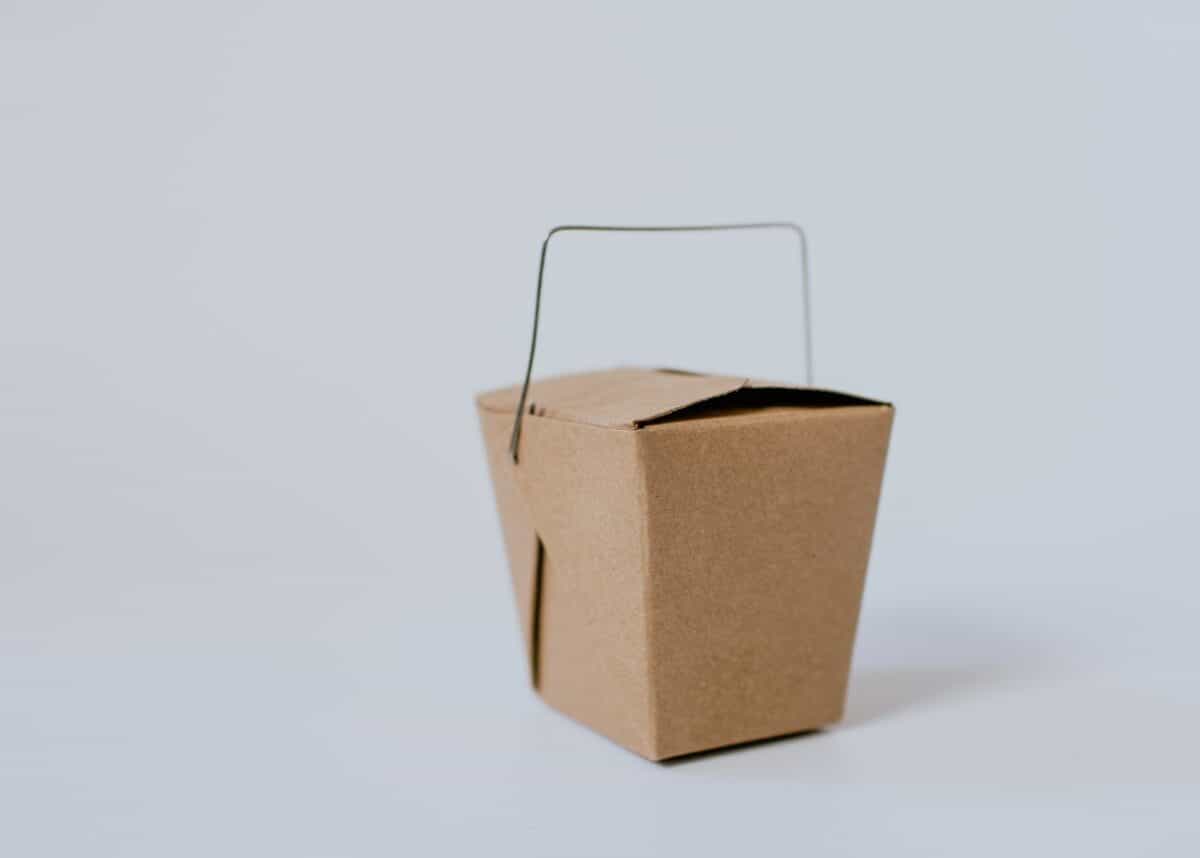
Photo by Kelly Sikkema on Unsplash

Photo by Kelly Sikkema on Unsplash

Janina Steinmetz, City, University of London

Billions of dollars are flowing to support companies you may never have heard of – startups with memorable names like Zapp, Deliveroo, Getir and Gorillas. These speedy delivery companies have become the go-to for many grocery shoppers trying to avoid busy supermarkets during the pandemic, and have caught the eyes of venture capitalists.

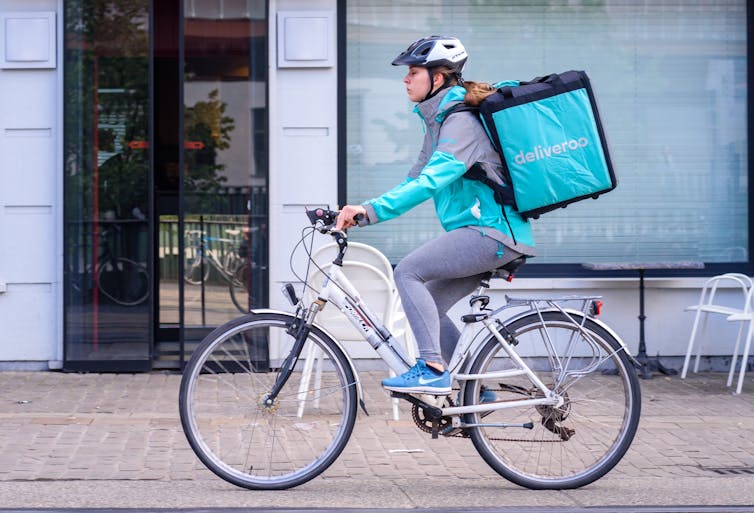
Deliveroo is one of several rapid delivery companies that have gained popularity during the COVID-19 pandemic. Thomas Dekiere/Shutterstock

Investors have closed over US$7 billion (£4.9 billion) in deals backing these companies in the first quarter of 2021, nearly four times the value in the previous quarter.

These new players promise an enticing service: apps that let consumers order groceries with delivery times of a mere ten minutes for a small markup, currently around 10%.

But is there still a place for these rapid delivery services in a post-COVID world? Much of that depends on whether shoppers can – or want to – change their delivery habits.

Changing consumer habits

As the pandemic hit in early 2020, consumers quickly shifted their grocery shopping habits. Instead of risking disease exposure and waiting in long queues, consumers started to rely on delivery services, and for many, it became a habit.

These services’ relatively small markup for groceries, given the convenience of the almost immediate delivery, is exactly what these companies need to achieve their goal of changing consumer habits. In contrast, the more traditional delivery services of large supermarket chains typically deliver groceries without a markup, as long as the minimum spend is met.


AlsoRead...

Ryan: Building real freedom through e-commerce

Ryan: Building real freedom through e-commerce

27 November 2025
Design Australia Group: Redefining Drafting as the engine of housing growth

Design Australia Group: Redefining Drafting as the engine of housing growth

26 November 2025

Research has shown that many consumer decisions, such as which coffee to buy, are habit-driven. After all, consumers would take hours in the supermarket if they had to ponder anew each product choice. Instead, they typically buy the same pasta they bought last time without much thought.

Like these choices, ordering groceries via app has become a habit for many people that doesn’t require much deliberation. Rather than planning meals for the next few days, consumers might factor in the option to rapidly order anything they need. This might create a habit of following every whim or satisfying every ice-cream craving.

Habits are difficult to break, especially when the habitual behaviour seems to carry little cost. Every smoker knows this logic: a single cigarette has virtually no harmful impact on a smoker’s health, so it seems not worth the effort to resist temptation. However, the costs of having multiple cigarettes add up, ultimately endangering the smoker’s health.

For rapid food delivery, the costs to the consumer are also relatively small – at first. Prices might be a bit higher, but the convenience seems worth it. Ordering easily via app becomes tempting, and there are no obviously compelling reasons to resist. Many companies will also throw in initial discounts for first-time customers.

Once a consumer has ordered rapid delivery a few times, the service is likely to replace past behaviour, like a quick trip to the corner shop. If the consumer then continues ordering rapid delivery, a habit is formed. In fact, research shows that consumers who perform a behaviour regularly for about six weeks have created a habit.

Currently, rapid grocery delivery is only available to consumers in large cities. Despite the stereotype that such services would mostly be used by tech-savvy younger consumers who are experienced with app-based services, many older consumers also value rapid delivery.
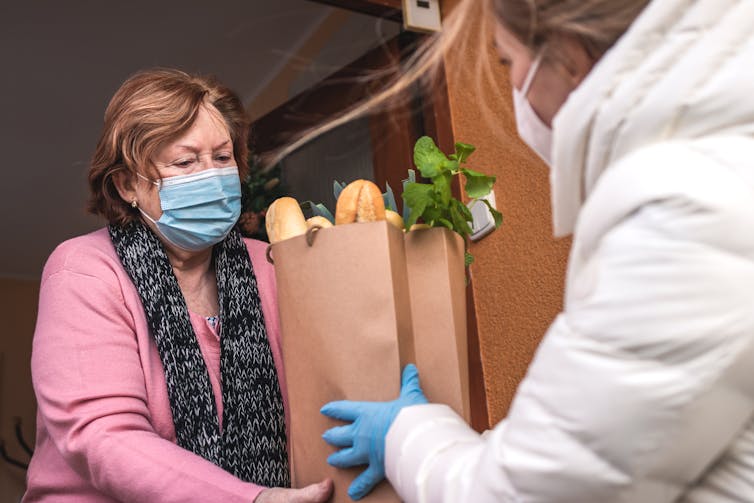
A woman hands a bag of groceries to another woman, both wearing face masks
Grocery delivery became a habit for many shoppers during the COVID-19 pandemic who wanted to avoid crowded shops and long lines. encierro/Shutterstock

The long-term costs

At the moment, the future costs of a rapid delivery habit are relatively invisible, but after the pandemic, you can expect to see costs – financial and social – materialise.

As delivery companies gain market share, they might hike prices up slowly. So far, rapid delivery companies have been backed by venture capital to finance their costs, but they will need to be profitable in the long run to survive. So some price increases in the future seem inevitable, as has been the case with other venture capital-backed consumer apps.

Also invisible are the social costs. Smaller grocery stores and restaurants that are often family-owned may be pushed out of the market. Although rapid delivery creates jobs as well, delivery drivers face tight deadlines and receive low wages with little job security.

Forming new habits

Once a habit is formed, it’s difficult to break. But transitional phases, such as returning to the office after a long time working from home, can nudge people to rethink unwanted habits. As life slowly returns to pre-pandemic normality, consumers have an opportunity to reevaluate which business models they want to support.

Consumers wanting to reevaluate their habits should do the following:

  • Compare your bank statements before and during the pandemic to identify what has changed.
  • Reflect on these changes: what changed for the better, what for the worse?
  • Ask yourself which business you would be truly sad to see close. Try to frequent these more often.
  • Think about whether you are losing anything when you shop online. Maybe you miss meeting people serendipitously in person, or checking out new products in the supermarket aisles.

COVID-19 changed consumer lives dramatically and rapidly, with little time for reflection on these changes. Now, the reopening is slower, and consumers have the opportunity to anticipate and actively plan for the coming changes. This opportunity should not be wasted, but should be used to change consumer shopping for the better.

Janina Steinmetz, Senior Lecturer in Marketing, Cass Business School, City, University of London

This article is republished from The Conversation under a Creative Commons license. Read the original article.


Tags: SB001
DMCA.com Protection Status

SUBSCRIBE to our NEWSLETTER

[mc4wp_form id=”2384248″]

Don't Miss

The evolution of Aesthetic Surgery through the lens of Dr Kourosh Tavakoli

by Pauline Torongo
4 December 2025
The evolution of Aesthetic Surgery through the lens of Dr. Kourosh Tavakoli
Health & Wellness

As global interest in Australian cosmetic surgery continues to grow, the combination of regulation, research and emerging digital tools is...

Read moreDetails

Ryan: Building real freedom through e-commerce

by Pauline Torongo
27 November 2025
Ryan: Building real freedom through e-commerce
Business & Finance

Ryan’s greatest achievement isn’t any single business or revenue milestone — it’s the ecosystem he’s built through the Change community.

Read moreDetails

Design Australia Group: Redefining Drafting as the engine of housing growth

by Pauline Torongo
26 November 2025
Design Australia Group: Redefining Drafting as the engine of housing growth
Business & Finance

Australia is under pressure to build homes faster, but design bottlenecks slow progress. Design Australia Group is fixing this by...

Read moreDetails

Louis Guy Detata builds Global Trading Empires through autonomous systems and disciplined leadership

by Pauline Torongo
25 November 2025
Louis Guy Detata builds Global Trading Empires through autonomous systems and disciplined leadership
Business & Finance

The path from investment banking to leading a global trading platform has taught Louis Detata that sustainable success requires more...

Read moreDetails

Burning Eucalyptus Wood: Tips, Advantages, Disadvantages & Alternatives

by Fazila Olla-Logday
20 November 2025
Image Supplied
Enviroment

Learn about burning eucalyptus wood for stoves and fireplaces. Discover benefits, drawbacks, harvesting tips, and better alternative firewood options for...

Read moreDetails

Everything Parents Need to Know About Baby Soft Play and Why It’s a Game Changer

by Fazila Olla-Logday
11 November 2025
Everything Parents Need to Know About Baby Soft Play
Health & Wellness

Baby soft play is a fun, safe, and educational way for little ones to explore and grow. Discover the benefits...

Read moreDetails

WOMAD Sets Up a New Camp in Wiltshire – Australian festival fans take note!

by Kris Griffiths
11 November 2025
Kumbia Boruka brought their reggae and dancehall flavour to the Taste the World Stage at WOMAD 2024 - Credit - Mike Massaro
Entertainment

With its 2026 edition moving to Neston Park in England, WOMAD offers Aussie music lovers a chance to reconnect with global...

Read moreDetails
Load More

Copyright © Blue Sky Publications Ltd. All Rights Reserved.
australiantimes.co.uk is a division of Blue Sky Publications Ltd. Reproduction without permission prohibited. DMCA.com Protection Status

  • About us
  • Write for Us
  • Advertise
  • Contact us
  • T&Cs, Privacy and GDPR
No Result
View All Result
  • News
    • Weather
    • Sport
    • Technology
    • Business & Finance
      • Currency Zone
    • Lotto Results
      • The Lott
  • Lifestyle
    • Entertainment
    • Horoscopes
    • Health & Wellness
    • Recipes
  • Travel
  • Expat Life
  • Move to Australia

Copyright © Blue Sky Publications Ltd. All Rights Reserved.
australiantimes.co.uk is a division of Blue Sky Publications Ltd. Reproduction without permission prohibited. DMCA.com Protection Status

No Result
View All Result
  • News
    • Weather
    • Sport
    • Technology
    • Business & Finance
      • Currency Zone
    • Lotto Results
      • The Lott
  • Lifestyle
    • Entertainment
    • Horoscopes
    • Health & Wellness
    • Recipes
  • Travel
  • Expat Life
  • Move to Australia

Copyright © Blue Sky Publications Ltd. All Rights Reserved.
australiantimes.co.uk is a division of Blue Sky Publications Ltd. Reproduction without permission prohibited. DMCA.com Protection Status





