

• Advertise
  • About us
  • Terms and Conditions
  • Contact us
Sunday, December 7, 2025
Australian Times News
  • News
    • Weather
    • Sport
    • Technology
    • Business & Finance
      • Currency Zone
    • Lotto Results
      • The Lott
  • Lifestyle
    • Entertainment
    • Horoscopes
    • Health & Wellness
    • Recipes
  • Travel
  • Expat Life
  • Move to Australia
No Result
View All Result
  • News
    • Weather
    • Sport
    • Technology
    • Business & Finance
      • Currency Zone
    • Lotto Results
      • The Lott
  • Lifestyle
    • Entertainment
    • Horoscopes
    • Health & Wellness
    • Recipes
  • Travel
  • Expat Life
  • Move to Australia
No Result
View All Result
Australian Times News
No Result
View All Result
Home News

Coronavirus: the price of global pandemic responses has been to make many other diseases worse

We are living through an age of untold suffering. Over 500,000 people have died from coronavirus in the US alone, over 120,000 in the UK, and over two million worldwide. With COVID-19 dominating the news cycle, you would be forgiven for forgetting that other diseases still exist.

The Conversation by The Conversation
26-02-2021 06:17
in News
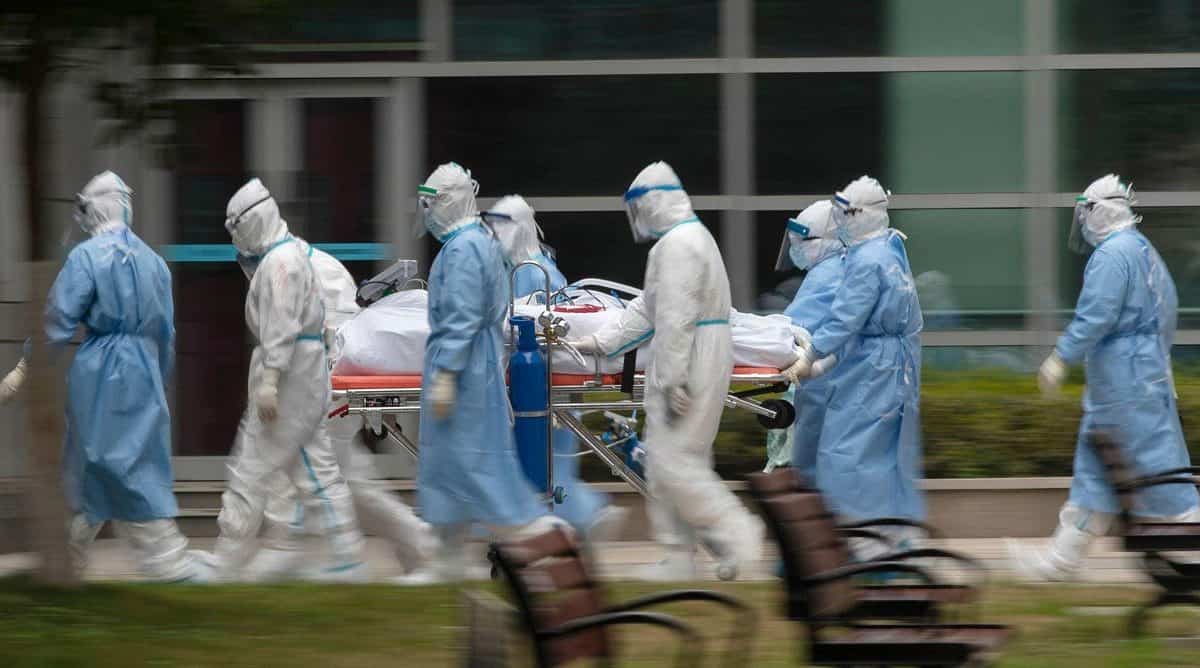
Xinhua / Alamy Stock Photo

Xinhua / Alamy Stock Photo

Agnes Arnold-Forster, University of Bristol

We are living through an age of untold suffering. Over 500,000 people have died from coronavirus in the US alone, over 120,000 in the UK, and over two million worldwide. With COVID-19 dominating the news cycle, you would be forgiven for forgetting that other diseases still exist. And yet we know full well that diseases don’t stop just because one is hogging all the limelight.

There have been plenty of reports on the troubling cost of the pandemic and associated lockdowns or shelter-in-place orders on people’s mental health. For example, it has had a profound effect on those living with obsessive-compulsive disorder. Studies from Europe show that between a third and half of those suffering from OCD had their symptoms worsen during the pandemic.

Young adults seem to have been particularly affected by the emotional burdens of isolation and insecurity. In a recent survey, conducted by the Centers for Disease Control and Prevention in the US, 63% of 18-to-24-year-olds reported symptoms of anxiety or depression, with 25% reporting increased substance use to deal with stress, and 25% saying they’d seriously considered suicide.

Crucially, these issues won’t abate as soon as the pandemic is over. Even when the crisis recedes, Dr Shekar Saxena of the Harvard School of Public Health suggests that 10% of these young people will have to live with the long-lasting effects of the mental illnesses they are currently enduring.

The damage done by the pandemic to mental health has already attracted well-deserved attention. It has highlighted the importance of looking beyond coronavirus deaths to assess the success of global pandemic responses. Cancer tells a similar, and equally distressing, story.

Cancer care in the pandemic

Throughout 2020, hospitals across the UK, US and Europe cancelled or postponed urgent cancer operations because they could not cope with the rising number of desperately ill coronavirus patients. Determining cancer prognosis is complex, but early evidence suggests that even a four-week delay in treatment can raise the risk of death by up to 10%.


AlsoRead...

Ryan: Building real freedom through e-commerce

Ryan: Building real freedom through e-commerce

27 November 2025
Design Australia Group: Redefining Drafting as the engine of housing growth

Design Australia Group: Redefining Drafting as the engine of housing growth

26 November 2025

The danger is not just physical, but psychological too. Despite these distressing figures of cancellations and waiting times, we don’t yet know much about the emotional toll these delays will have on people living with cancer today. Stories are, however, starting to emerge. One man, diagnosed with stage-4 bowel cancer in June 2020, had his December surgery postponed, and then “cancelled indefinitely”.

Even in the 19th century, doctors and patients alike were acutely aware of the importance of timely treatment. As I argue in my book, The Cancer Problem, the “do not delay” principle in cancer treatment has its origins in the early 1800s. Surgeons implored cancer sufferers to seek their advice as soon as they had identified any unexpected lumps or bumps. And in their writings, patients expressed extreme distress at waiting for a diagnosis or cure.
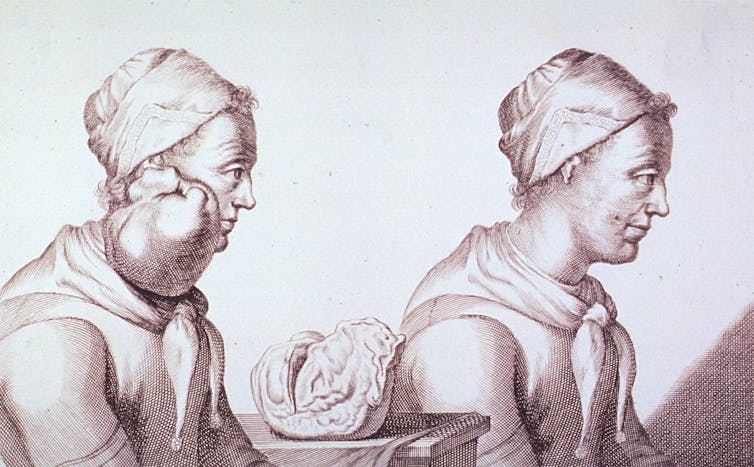
Engraving with two views of a Dutch woman who had a tumour removed from her neck.
Understanding the importance of timely cancer treatment is nothing new. Wikimedia Commons

Doctors lamented the patients who, “because of their praiseworthy modesty”, consulted too late for effective treatment. Medical textbooks designed to be read by patients told their readers that “were proper means used in due time, a cancer might often be prevented; but after the disorder has arrived at a certain height it generally sets all medicine at defiance”.

Looking at this longer history of cancer reminds us of the emotional and physical costs of any delays. After all, even if these waits have only minimal effects on patients’ survival or long-term health, we must also think about the psychological trauma of living in limbo. Particularly when that limbo is associated with cancer, a disease that has long carried with it a sense of profound anxiety, so much so that in the 19th century it was often termed “the dread disease”. It is often understood as an alien invader, now very much outstaying its welcome.

As the COVID-19 crisis slowly abates, we must not just look back with regret at the number of people killed by the virus or celebrate the success of vaccines. We must instead assess the pandemic’s impact in the round and consider the physical as well as emotional costs of a disease that turned our world upside down. When the next pandemic comes, we must be prepared to not only treat the victims of epidemic disease but to continue to provide the fundamental healthcare services we need to stay both healthy and happy.

Agnes Arnold-Forster, Research Fellow, History of Medicine and Healthcare, University of Bristol

This article is republished from The Conversation under a Creative Commons license. Read the original article.


Tags: SB001
DMCA.com Protection Status

SUBSCRIBE to our NEWSLETTER

[mc4wp_form id=”2384248″]

Don't Miss

The evolution of Aesthetic Surgery through the lens of Dr Kourosh Tavakoli

by Pauline Torongo
4 December 2025
The evolution of Aesthetic Surgery through the lens of Dr. Kourosh Tavakoli
Health & Wellness

As global interest in Australian cosmetic surgery continues to grow, the combination of regulation, research and emerging digital tools is...

Read moreDetails

Ryan: Building real freedom through e-commerce

by Pauline Torongo
27 November 2025
Ryan: Building real freedom through e-commerce
Business & Finance

Ryan’s greatest achievement isn’t any single business or revenue milestone — it’s the ecosystem he’s built through the Change community.

Read moreDetails

Design Australia Group: Redefining Drafting as the engine of housing growth

by Pauline Torongo
26 November 2025
Design Australia Group: Redefining Drafting as the engine of housing growth
Business & Finance

Australia is under pressure to build homes faster, but design bottlenecks slow progress. Design Australia Group is fixing this by...

Read moreDetails

Louis Guy Detata builds Global Trading Empires through autonomous systems and disciplined leadership

by Pauline Torongo
25 November 2025
Louis Guy Detata builds Global Trading Empires through autonomous systems and disciplined leadership
Business & Finance

The path from investment banking to leading a global trading platform has taught Louis Detata that sustainable success requires more...

Read moreDetails

Burning Eucalyptus Wood: Tips, Advantages, Disadvantages & Alternatives

by Fazila Olla-Logday
20 November 2025
Image Supplied
Enviroment

Learn about burning eucalyptus wood for stoves and fireplaces. Discover benefits, drawbacks, harvesting tips, and better alternative firewood options for...

Read moreDetails

Everything Parents Need to Know About Baby Soft Play and Why It’s a Game Changer

by Fazila Olla-Logday
11 November 2025
Everything Parents Need to Know About Baby Soft Play
Health & Wellness

Baby soft play is a fun, safe, and educational way for little ones to explore and grow. Discover the benefits...

Read moreDetails

WOMAD Sets Up a New Camp in Wiltshire – Australian festival fans take note!

by Kris Griffiths
11 November 2025
Kumbia Boruka brought their reggae and dancehall flavour to the Taste the World Stage at WOMAD 2024 - Credit - Mike Massaro
Entertainment

With its 2026 edition moving to Neston Park in England, WOMAD offers Aussie music lovers a chance to reconnect with global...

Read moreDetails
Load More

Copyright © Blue Sky Publications Ltd. All Rights Reserved.
australiantimes.co.uk is a division of Blue Sky Publications Ltd. Reproduction without permission prohibited. DMCA.com Protection Status

  • About us
  • Write for Us
  • Advertise
  • Contact us
  • T&Cs, Privacy and GDPR
No Result
View All Result
  • News
    • Weather
    • Sport
    • Technology
    • Business & Finance
      • Currency Zone
    • Lotto Results
      • The Lott
  • Lifestyle
    • Entertainment
    • Horoscopes
    • Health & Wellness
    • Recipes
  • Travel
  • Expat Life
  • Move to Australia

Copyright © Blue Sky Publications Ltd. All Rights Reserved.
australiantimes.co.uk is a division of Blue Sky Publications Ltd. Reproduction without permission prohibited. DMCA.com Protection Status

No Result
View All Result
  • News
    • Weather
    • Sport
    • Technology
    • Business & Finance
      • Currency Zone
    • Lotto Results
      • The Lott
  • Lifestyle
    • Entertainment
    • Horoscopes
    • Health & Wellness
    • Recipes
  • Travel
  • Expat Life
  • Move to Australia

Copyright © Blue Sky Publications Ltd. All Rights Reserved.
australiantimes.co.uk is a division of Blue Sky Publications Ltd. Reproduction without permission prohibited. DMCA.com Protection Status





