

• Advertise
  • About us
  • Terms and Conditions
  • Contact us
Saturday, December 6, 2025
Australian Times News
  • News
    • Weather
    • Sport
    • Technology
    • Business & Finance
      • Currency Zone
    • Lotto Results
      • The Lott
  • Lifestyle
    • Entertainment
    • Horoscopes
    • Health & Wellness
    • Recipes
  • Travel
  • Expat Life
  • Move to Australia
No Result
View All Result
  • News
    • Weather
    • Sport
    • Technology
    • Business & Finance
      • Currency Zone
    • Lotto Results
      • The Lott
  • Lifestyle
    • Entertainment
    • Horoscopes
    • Health & Wellness
    • Recipes
  • Travel
  • Expat Life
  • Move to Australia
No Result
View All Result
Australian Times News
No Result
View All Result
Home News

Andrew Forrest’s high-tech plan to extinguish bushfires within an hour is as challenging as it sounds

The Fire Shield project aims to use emerging technologies to rapidly find and extinguish bushfires.

The Conversation by The Conversation
17-09-2020 01:49
in News
High-tech plan to extinguish bushfires

High-tech plan to extinguish bushfires Photo by Ben Kuo on Unsplash

James Jin Kang, Edith Cowan University

The philanthropic foundation of mining billionaire Andrew “Twiggy” Forrest has unveiled a plan to transform how Australia responds to bushfires.
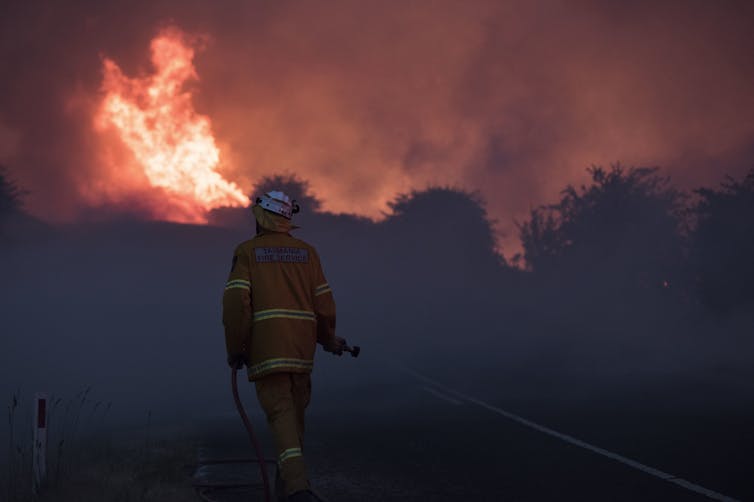
Warren Frey/AAP

The Fire Shield project aims to use emerging technologies to rapidly find and extinguish bushfires. The goal is to be able to put out any dangerous blaze within an hour by 2025.

Some of the proposed technology includes drones and aerial surveillance robots, autonomous fire-fighting vehicles and on-the-ground remote sensors. If successful, the plan could alleviate the devastating impact of bushfires Australians face each year.

But while bushfire behaviour is an extensively studied science, it’s not an exact one. Fires are subject to a wide range of variables including local weather conditions, atmospheric pressure and composition, and the geographical layout of an area.

There are also human factors, such as how quickly and effectively front-line workers can respond, as well as the issue of arson.

A plan for rapid bushfire detection

The appeal of the Fire Shield plan is in its proposal to use emerging fields of computer science to fight bushfires, especially AI and the Internet of Things (IoT) network.


AlsoRead...

Ryan: Building real freedom through e-commerce

Ryan: Building real freedom through e-commerce

27 November 2025
Design Australia Group: Redefining Drafting as the engine of housing growth

Design Australia Group: Redefining Drafting as the engine of housing growth

26 November 2025

While we don’t currently have details on how the Fire Shield plan will be carried out, the use of an IoT bushfire monitoring network seems like the most viable option.

The IoT network is made of many wireless connected devices. Deploying IoT devices with sensors in remote areas could allow the monitoring of changes in soil temperature, air temperature, weather conditions, moisture and humidity, wind speed, wind direction and forest density.

The sensors could also help pinpoint a fire’s location, predict where it will spread and also where it most likely started. This insight would greatly help with the early evacuation of vulnerable communities.

Data collected could be quickly processed and analysed using machine learning. This branch of AI provides intelligent analysis much quicker than traditional computing, or human reckoning.

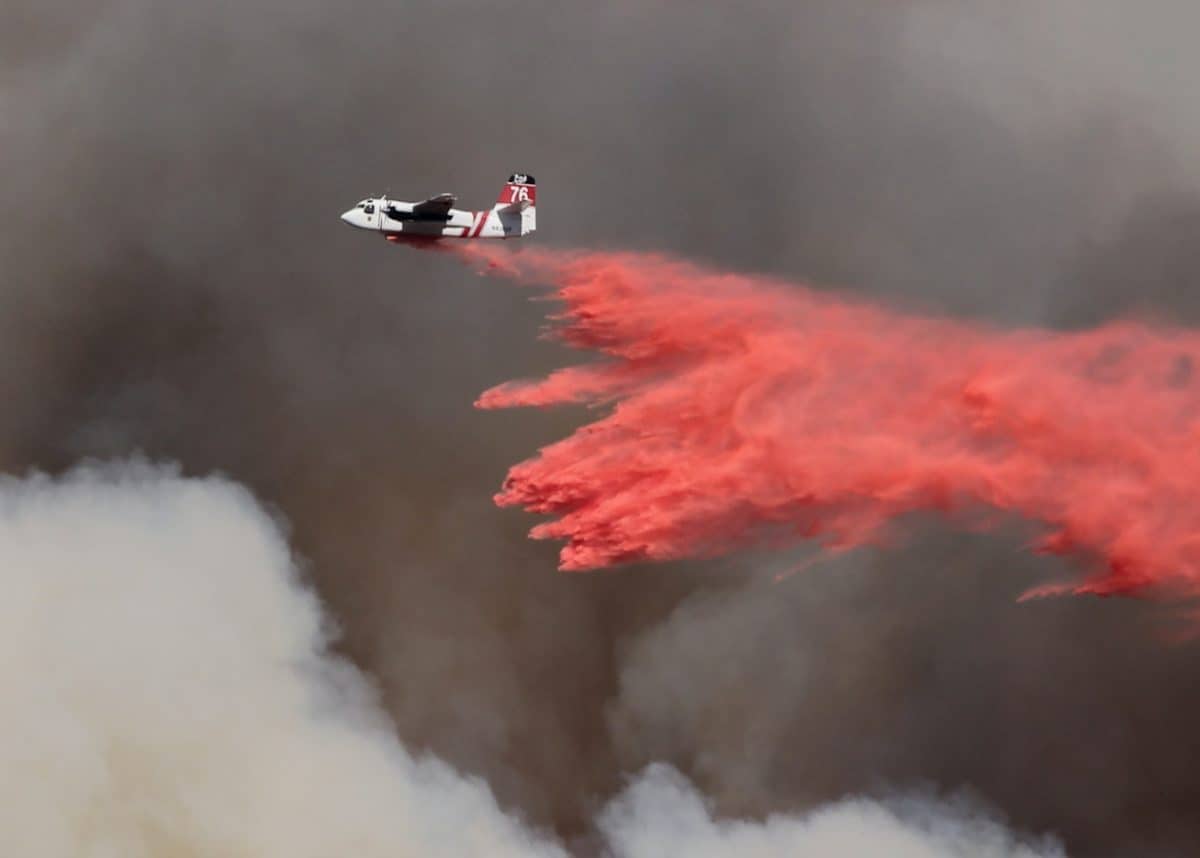
Water bomber puts out a blaze from the sky.
Water bomber helicopters were used in NSW earlier this year as almost 150 bushfires burnt across the state at one point. Bianca De Marchi/AAP

A more reliable network

A wireless low power wide area network (LPWAN) would be the best option for implementing the required infrastructure for the proposal. LPWAN uses sensor devices with batteries lasting up to 15 years.

And although a LPWAN only allows limited coverage (10-40km) in rural areas, a network with more coverage would need batteries that have to be replaced more often — making the entire system less reliable.

In the event of sensors being destroyed by fire, neighbouring sensors can send this information back to the server to build a sensor “availability and location map”. With this map, tracking destroyed sensors would also help track a bushfire’s movement.

Dealing with logistics

While it’s possible, the practicalities of deploying sensors for a remote bushfire monitoring network make the plan hugely challenging. The areas to cover would be vast, with varying terrain and environmental conditions.

Sensor devices could potentially be deployed by aircrafts across a region. On-ground distribution by people would be another option, but a more expensive one.

However, the latter option would have to be used to distribute larger gateway devices. These act as the bridge between the other sensors on ground and the server in the cloud hosting the data.

Gateway devices have more hardware and need to be set up by a person when first installed. They play a key role in LPWAN networks and must be placed carefully. After being placed, IoT devices require regular monitoring and calibration to ensure the information being relayed to the server is accurate.

Weather and environmental factors (such as storms or floods) have the potential to destroy the sensors. There’s also the risk of human interference, as well as legal considerations around deploying sensors on privately owned land.

Unpredictable interruptions

While statisticians can provide insight into the likelihood of a bushfire starting at a particular location, bushfires remain inherently hard to predict.

Any sensor network will be counter-acted by unpredictable environmental conditions and technological issues such as interrupted network signals. And such disruptions could lead to delays in important information reaching authorities.

Potential solutions for this include using satellite services in conjunction with an LPWAN network, or balloon networks (such as Google’s project Loon) which can provide better internet connectivity in remote areas.

But even once the sensors can be used to identify and track bushfires, putting a blaze out is another challenge entirely. The Fire Shield plan’s vision “to detect, monitor and extinguish dangerous blazes within an hour anywhere in Australia” will face challenges on several fronts.

It may be relatively simple to predict hurdles in getting the technology set up. But once a bushfire is detected, it’s less clear as to what course of action could possible extinguish it within the hour. In some very remote areas, aerial firefighting (such as with water bombers) may be the only option.

That begs the next question: how can we have enough aircrafts and controllers ready to be dispatched to a remote place at a moment’s notice? Considering the logistics, it won’t be easy.

James Jin Kang, Lecturer, Computing and Security, Edith Cowan University

This article is republished from The Conversation under a Creative Commons license. Read the original article.


Tags: SB001
DMCA.com Protection Status

SUBSCRIBE to our NEWSLETTER

[mc4wp_form id=”2384248″]

Don't Miss

The evolution of Aesthetic Surgery through the lens of Dr Kourosh Tavakoli

by Pauline Torongo
4 December 2025
The evolution of Aesthetic Surgery through the lens of Dr. Kourosh Tavakoli
Health & Wellness

As global interest in Australian cosmetic surgery continues to grow, the combination of regulation, research and emerging digital tools is...

Read moreDetails

Ryan: Building real freedom through e-commerce

by Pauline Torongo
27 November 2025
Ryan: Building real freedom through e-commerce
Business & Finance

Ryan’s greatest achievement isn’t any single business or revenue milestone — it’s the ecosystem he’s built through the Change community.

Read moreDetails

Design Australia Group: Redefining Drafting as the engine of housing growth

by Pauline Torongo
26 November 2025
Design Australia Group: Redefining Drafting as the engine of housing growth
Business & Finance

Australia is under pressure to build homes faster, but design bottlenecks slow progress. Design Australia Group is fixing this by...

Read moreDetails

Louis Guy Detata builds Global Trading Empires through autonomous systems and disciplined leadership

by Pauline Torongo
25 November 2025
Louis Guy Detata builds Global Trading Empires through autonomous systems and disciplined leadership
Business & Finance

The path from investment banking to leading a global trading platform has taught Louis Detata that sustainable success requires more...

Read moreDetails

Burning Eucalyptus Wood: Tips, Advantages, Disadvantages & Alternatives

by Fazila Olla-Logday
20 November 2025
Image Supplied
Enviroment

Learn about burning eucalyptus wood for stoves and fireplaces. Discover benefits, drawbacks, harvesting tips, and better alternative firewood options for...

Read moreDetails

Everything Parents Need to Know About Baby Soft Play and Why It’s a Game Changer

by Fazila Olla-Logday
11 November 2025
Everything Parents Need to Know About Baby Soft Play
Health & Wellness

Baby soft play is a fun, safe, and educational way for little ones to explore and grow. Discover the benefits...

Read moreDetails

WOMAD Sets Up a New Camp in Wiltshire – Australian festival fans take note!

by Kris Griffiths
11 November 2025
Kumbia Boruka brought their reggae and dancehall flavour to the Taste the World Stage at WOMAD 2024 - Credit - Mike Massaro
Entertainment

With its 2026 edition moving to Neston Park in England, WOMAD offers Aussie music lovers a chance to reconnect with global...

Read moreDetails
Load More

Copyright © Blue Sky Publications Ltd. All Rights Reserved.
australiantimes.co.uk is a division of Blue Sky Publications Ltd. Reproduction without permission prohibited. DMCA.com Protection Status

  • About us
  • Write for Us
  • Advertise
  • Contact us
  • T&Cs, Privacy and GDPR
No Result
View All Result
  • News
    • Weather
    • Sport
    • Technology
    • Business & Finance
      • Currency Zone
    • Lotto Results
      • The Lott
  • Lifestyle
    • Entertainment
    • Horoscopes
    • Health & Wellness
    • Recipes
  • Travel
  • Expat Life
  • Move to Australia

Copyright © Blue Sky Publications Ltd. All Rights Reserved.
australiantimes.co.uk is a division of Blue Sky Publications Ltd. Reproduction without permission prohibited. DMCA.com Protection Status

No Result
View All Result
  • News
    • Weather
    • Sport
    • Technology
    • Business & Finance
      • Currency Zone
    • Lotto Results
      • The Lott
  • Lifestyle
    • Entertainment
    • Horoscopes
    • Health & Wellness
    • Recipes
  • Travel
  • Expat Life
  • Move to Australia

Copyright © Blue Sky Publications Ltd. All Rights Reserved.
australiantimes.co.uk is a division of Blue Sky Publications Ltd. Reproduction without permission prohibited. DMCA.com Protection Status





