

• Advertise
  • About us
  • Terms and Conditions
  • Contact us
Saturday, December 6, 2025
Australian Times News
  • News
    • Weather
    • Sport
    • Technology
    • Business & Finance
      • Currency Zone
    • Lotto Results
      • The Lott
  • Lifestyle
    • Entertainment
    • Horoscopes
    • Health & Wellness
    • Recipes
  • Travel
  • Expat Life
  • Move to Australia
No Result
View All Result
  • News
    • Weather
    • Sport
    • Technology
    • Business & Finance
      • Currency Zone
    • Lotto Results
      • The Lott
  • Lifestyle
    • Entertainment
    • Horoscopes
    • Health & Wellness
    • Recipes
  • Travel
  • Expat Life
  • Move to Australia
No Result
View All Result
Australian Times News
No Result
View All Result
Home News

Why the pandemic could slash the amount of plastic waste we recycle

The market for plastic packaging is projected to grow by 5.5% in 2020.

The Conversation by The Conversation
20-06-2020 18:17
in News
The amount of plastic waste we recycle

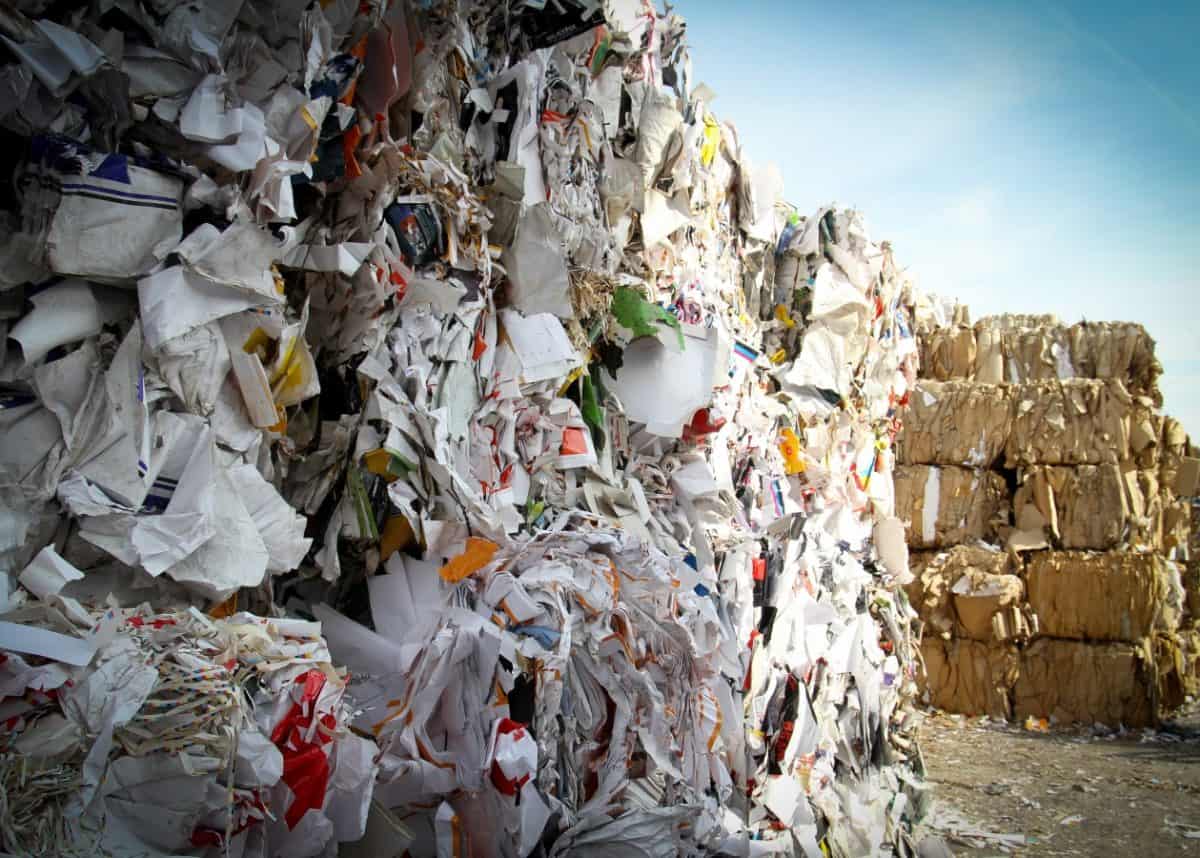
The amount of plastic waste we recycle Photo by Bas Emmen on Unsplash

Eleni Iacovidou, Brunel University London and Norman Ebner, University of Oxford

The COVID-19 pandemic has increased the use of plastic medical and protective equipment, such as single-use gloves, masks and aprons. Much of this equipment must be discarded after use to limit the spread of the virus.

But demand for plastic packaging has also spiked in the retail sector, as customers wary of catching the virus shun loose products. Elsewhere, people are using antibacterial wipes and bottles of hand sanitiser at a rapid rate, with some worrying that discarded “COVID waste” could soon outnumber jellyfish in the Mediterranean Sea.
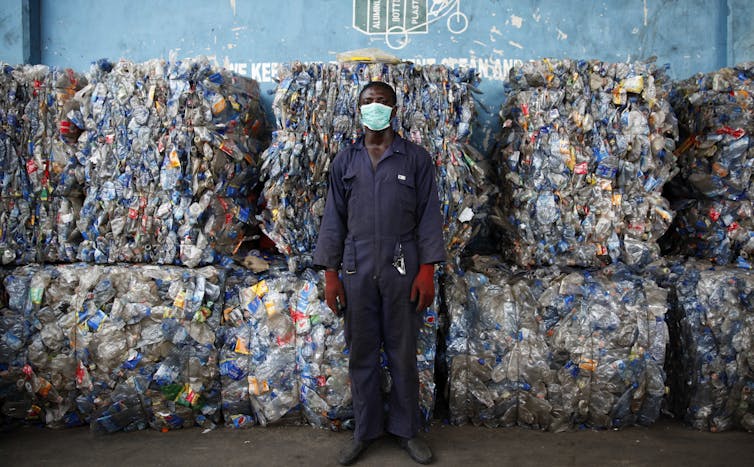
A startup in Lagos, Nigeria hopes to help manage the recent deluge of plastic waste. EPA-EFE/AKINTUNDE AKINLEYE

The market for plastic packaging is projected to grow by 5.5% in 2020, causing a surge in the amount of waste being sent for recycling. But just when its services are needed more than ever, the recycling industry has been rocked by crises.

The future of plastics recycling

International travel and industrial activity dried up with the onset of global lockdowns, causing oil demand and prices to plummet. Since most plastic is made from oil, its falling price has meant the cost of plastic resin production has dropped too, making it cheaper than ever to manufacture new plastic products.

Amid a glut of cheap virgin plastic, petrochemical companies could end up churning out even more to stabilise the demand for crude oil. That would make using recycled plastic material economically foolish, as it would contribute to the oversupply haunting the market. With demand for recycled plastic at a record low, the recycling industry may be left with fewer and fewer buyers.

A drop in demand for recycled plastic material would cut into the profit margins of recycling companies. Lower revenue will delay investments in new plants and technologies and limit how effectively the system can improve recycling rates.


AlsoRead...

Ryan: Building real freedom through e-commerce

Ryan: Building real freedom through e-commerce

27 November 2025
Design Australia Group: Redefining Drafting as the engine of housing growth

Design Australia Group: Redefining Drafting as the engine of housing growth

26 November 2025

For waste management and recycling companies to turn a profit, the taxpayer would have to bear a greater share of their costs. But will this added burden go down well post-pandemic, with cash-strapped local authorities and widespread redundancies?

The UK government has now pushed back the ban on single-use plastic items from April to October 2020, to ensure supply chains have enough time to source alternative materials for straws, stirrers and cotton buds. If this delay affects the planned implementation of a plastic packaging tax on products with a recycled material content lower than 30%, currently pegged for April 2022, these twin setbacks could threaten the UK’s goal to eliminate all plastic waste by 2043. Businesses would revert to using virgin plastics with little incentive to opt for more expensive recycled materials.

Rescuing the industry

A coordinated effort between governments and the industry could maintain recent progress on recycling rates. Pushing ahead with the ban and new taxes could ensure businesses continue funding the recycling of plastic packaging waste, and using it in the new products they make.

If businesses stick to their targets of replacing some of their virgin plastic material with recycled plastic, regardless of the costs involved, it could help maintain investment in the recycling sector within the UK. But with more plastic waste being treated domestically amid reduced demand for waste in foreign markets, recycling companies in the UK could be overwhelmed with waste they have little financial incentive to process.

Recycling companies and exporters of plastic packaging waste under pressure to deal with more of it may ship it to other countries illegally, or falsely claim they have recycled a higher amount. This information is self-reported, leaving regulation vulnerable to fraud.

And then there’s you, the consumer. We each drive demand for single-use plastic packaging with our buying habits, and we can reduce it and increase recycling rates by purchasing wisely and checking whether the packaging we discard is recyclable or not.

Unwittingly, we bear a significant proportion of the cost of the recycling process via the council taxes we pay. That money can be used to improve services if the burden of waste management is lower. Reduced demand for plastic packaging and better sorting of household waste can, collectively, lead to a more effective and cost-efficient recycling system.

Buying less goods that come with unnecessary plastic packaging, and becoming more mindful of how we separate our plastic waste in the home will improve the efforts of local authorities and the recycling industry, and could also improve the odds that the government meet its ambitious recycling targets on time.

Eleni Iacovidou, Lecturer in Environmental Management, Brunel University London and Norman Ebner, Postdoctoral Research Associate in Circular Plastics-Techno-Economics, University of Oxford

This article is republished from The Conversation under a Creative Commons license. Read the original article.


Tags: SB001
DMCA.com Protection Status

SUBSCRIBE to our NEWSLETTER

[mc4wp_form id=”2384248″]

Don't Miss

The evolution of Aesthetic Surgery through the lens of Dr Kourosh Tavakoli

by Pauline Torongo
4 December 2025
The evolution of Aesthetic Surgery through the lens of Dr. Kourosh Tavakoli
Health & Wellness

As global interest in Australian cosmetic surgery continues to grow, the combination of regulation, research and emerging digital tools is...

Read moreDetails

Ryan: Building real freedom through e-commerce

by Pauline Torongo
27 November 2025
Ryan: Building real freedom through e-commerce
Business & Finance

Ryan’s greatest achievement isn’t any single business or revenue milestone — it’s the ecosystem he’s built through the Change community.

Read moreDetails

Design Australia Group: Redefining Drafting as the engine of housing growth

by Pauline Torongo
26 November 2025
Design Australia Group: Redefining Drafting as the engine of housing growth
Business & Finance

Australia is under pressure to build homes faster, but design bottlenecks slow progress. Design Australia Group is fixing this by...

Read moreDetails

Louis Guy Detata builds Global Trading Empires through autonomous systems and disciplined leadership

by Pauline Torongo
25 November 2025
Louis Guy Detata builds Global Trading Empires through autonomous systems and disciplined leadership
Business & Finance

The path from investment banking to leading a global trading platform has taught Louis Detata that sustainable success requires more...

Read moreDetails

Burning Eucalyptus Wood: Tips, Advantages, Disadvantages & Alternatives

by Fazila Olla-Logday
20 November 2025
Image Supplied
Enviroment

Learn about burning eucalyptus wood for stoves and fireplaces. Discover benefits, drawbacks, harvesting tips, and better alternative firewood options for...

Read moreDetails

Everything Parents Need to Know About Baby Soft Play and Why It’s a Game Changer

by Fazila Olla-Logday
11 November 2025
Everything Parents Need to Know About Baby Soft Play
Health & Wellness

Baby soft play is a fun, safe, and educational way for little ones to explore and grow. Discover the benefits...

Read moreDetails

WOMAD Sets Up a New Camp in Wiltshire – Australian festival fans take note!

by Kris Griffiths
11 November 2025
Kumbia Boruka brought their reggae and dancehall flavour to the Taste the World Stage at WOMAD 2024 - Credit - Mike Massaro
Entertainment

With its 2026 edition moving to Neston Park in England, WOMAD offers Aussie music lovers a chance to reconnect with global...

Read moreDetails
Load More

Copyright © Blue Sky Publications Ltd. All Rights Reserved.
australiantimes.co.uk is a division of Blue Sky Publications Ltd. Reproduction without permission prohibited. DMCA.com Protection Status

  • About us
  • Write for Us
  • Advertise
  • Contact us
  • T&Cs, Privacy and GDPR
No Result
View All Result
  • News
    • Weather
    • Sport
    • Technology
    • Business & Finance
      • Currency Zone
    • Lotto Results
      • The Lott
  • Lifestyle
    • Entertainment
    • Horoscopes
    • Health & Wellness
    • Recipes
  • Travel
  • Expat Life
  • Move to Australia

Copyright © Blue Sky Publications Ltd. All Rights Reserved.
australiantimes.co.uk is a division of Blue Sky Publications Ltd. Reproduction without permission prohibited. DMCA.com Protection Status

No Result
View All Result
  • News
    • Weather
    • Sport
    • Technology
    • Business & Finance
      • Currency Zone
    • Lotto Results
      • The Lott
  • Lifestyle
    • Entertainment
    • Horoscopes
    • Health & Wellness
    • Recipes
  • Travel
  • Expat Life
  • Move to Australia

Copyright © Blue Sky Publications Ltd. All Rights Reserved.
australiantimes.co.uk is a division of Blue Sky Publications Ltd. Reproduction without permission prohibited. DMCA.com Protection Status





