• Advertise
  • About us
  • Terms and Conditions
  • Contact us
Saturday, December 6, 2025
Australian Times News
  • News
    • Weather
    • Sport
    • Technology
    • Business & Finance
      • Currency Zone
    • Lotto Results
      • The Lott
  • Lifestyle
    • Entertainment
    • Horoscopes
    • Health & Wellness
    • Recipes
  • Travel
  • Expat Life
  • Move to Australia
No Result
View All Result
  • News
    • Weather
    • Sport
    • Technology
    • Business & Finance
      • Currency Zone
    • Lotto Results
      • The Lott
  • Lifestyle
    • Entertainment
    • Horoscopes
    • Health & Wellness
    • Recipes
  • Travel
  • Expat Life
  • Move to Australia
No Result
View All Result
Australian Times News
No Result
View All Result
Home News

Greening our grey cities: here’s how green roofs and walls can flourish in Australia

economic and social benefits of green roofs

The Conversation by The Conversation
06-06-2020 09:17
in News
Greening our grey cities

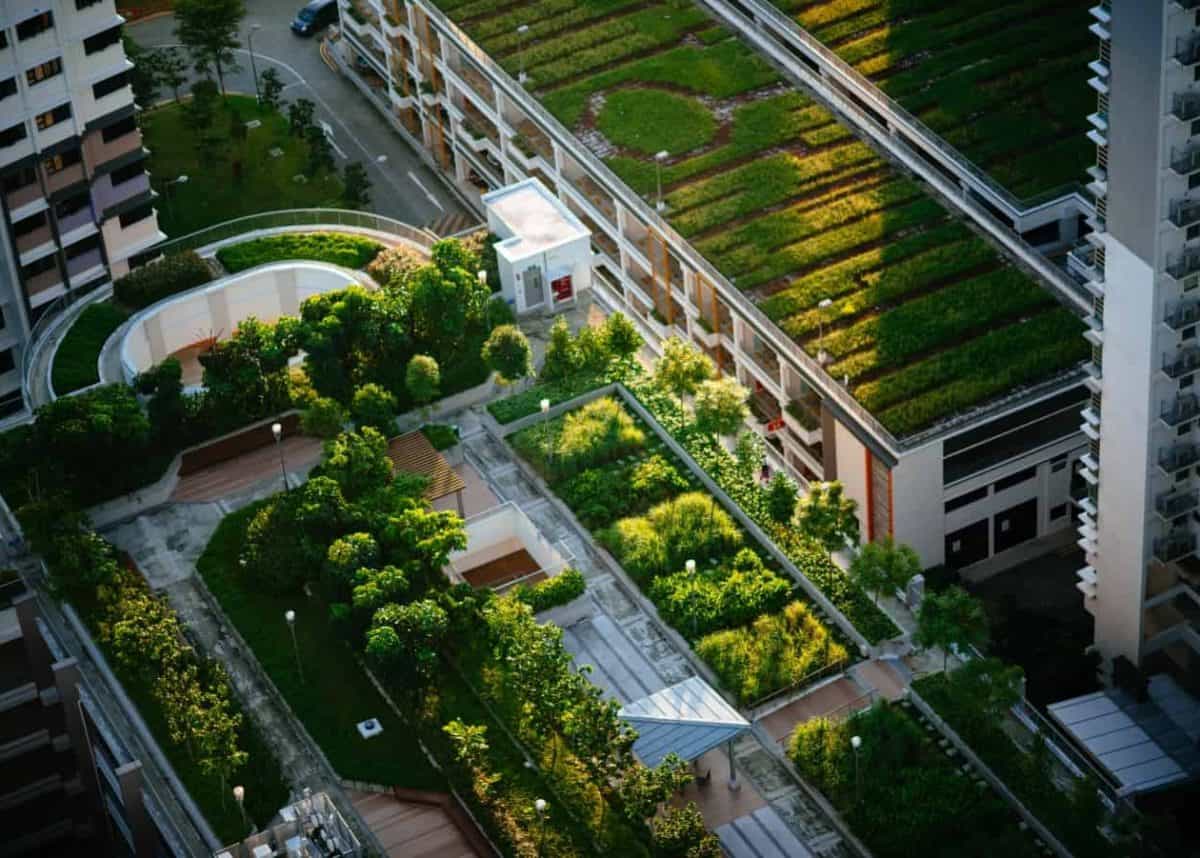
Greening our grey cities Photo by chuttersnap on Unsplash

Nicholas Williams, University of Melbourne; Cathy Oke, University of Melbourne, and Leisa Sargent, UNSW

Tomorrow is the first World Green Roof Day. Cities around the world will celebrate the well-documented environmental, economic and social benefits of green roofs. New ground-level green spaces are difficult to create in high-density urban areas. As a result, other forms of city greening – green roofs, green walls and vegetated facades – are increasingly popular.
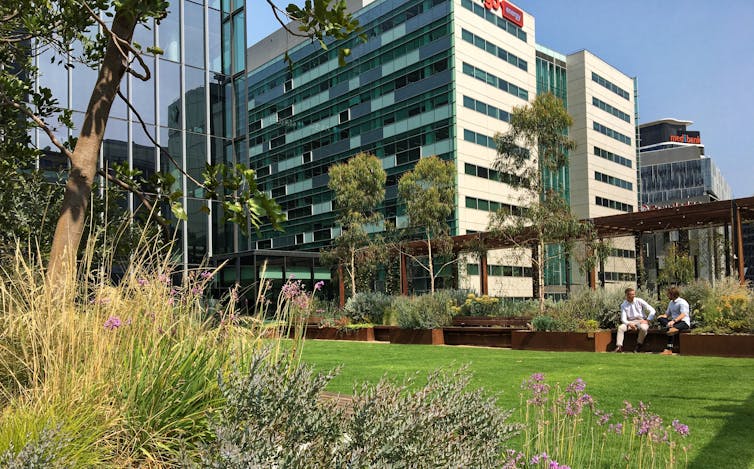
Melbourne Sky Park, between the CBD grid and Docklands precinct. Oculus, used with permission, Author provided

Being able to grow plants up and on top of buildings combines grey infrastructure with green infrastructure. Unfortunately, most Australian cities are lagging behind many international counterparts in this aspect of urban greening.

Growing Up green roof by Bent Architecture on the top of 131 Queen Street, Melbourne. University of Melbourne, Author provided

Roadmap outlines key steps

Green wall by Junglefy at One Central Park, Sydney. John Rayner, used with permission, Author provided

To explore how to increase the uptake of engineered green infrastructure we ran appreciative inquiry summits in Sydney and Melbourne. More than 60 representatives from the building and horticultural industries, local and state governments and universities attended. They worked together to create a positive vision for greener Australian cities using green roofs, walls and facades.

Participants identified key actions to achieve this goal. These are compiled in the Roadmap for green roofs, walls and facades in Australia’s urban landscapes 2020-2030. The newly released report sets out how to achieve a flourishing green infrastructure industry and more liveable, green, climate-adapted Australian cities.

There is a significant amount of Australian-specific information on the benefits, value and construction requirements of green roofs, walls and facades. Sharing this knowledge is essential for accelerating advances and bringing people up to speed quickly. A key recommendation was establishing a cloud-based knowledge hub and accompanying programs.
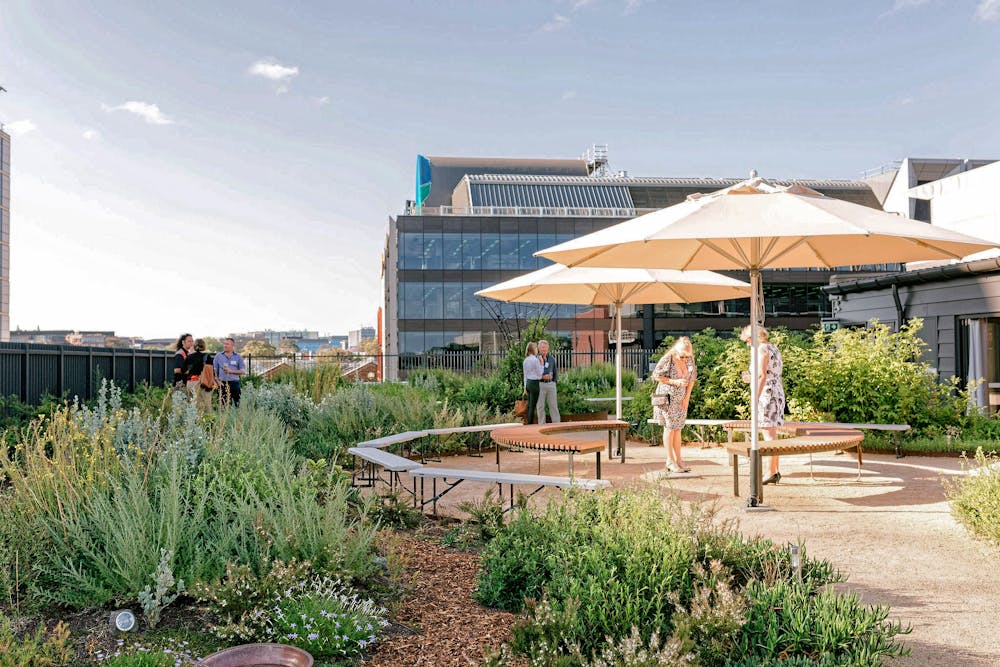
Biodiversity Green Roof by Junglefy at Yerrabingin Indigenous Rooftop Farm in South Eveleigh, Sydney. Junglefy, used with permission, Author provided

It’s also about job growth

Green roofs, walls and facades require a diverse mix of professions and trades to build them. As the sector grows, many jobs will be created.


AlsoRead...

Ryan: Building real freedom through e-commerce

Ryan: Building real freedom through e-commerce

27 November 2025
Design Australia Group: Redefining Drafting as the engine of housing growth

Design Australia Group: Redefining Drafting as the engine of housing growth

26 November 2025
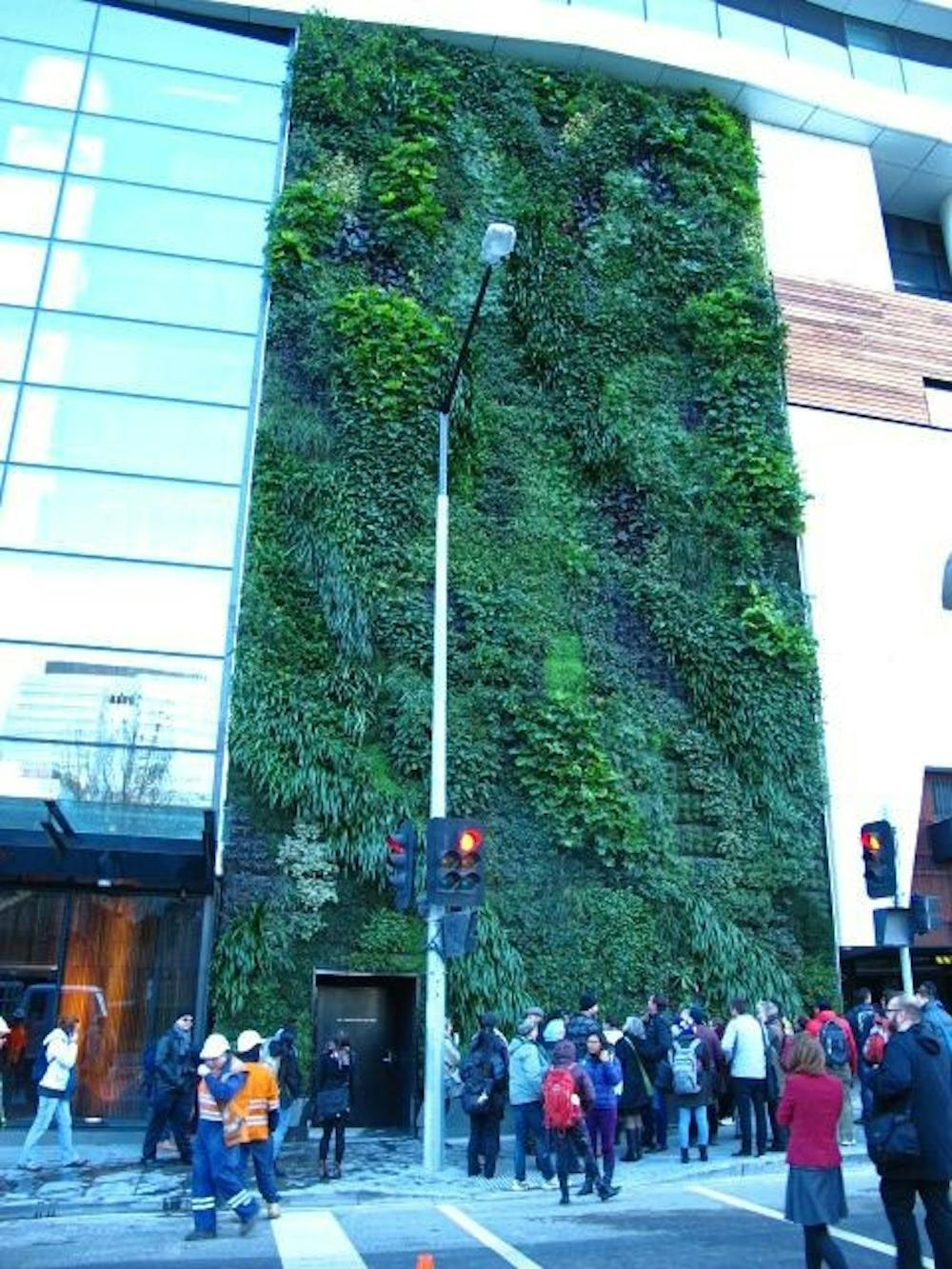
Medibank Private green wall by Fytogreen at 720 Bourke Street, Melbourne. John Rayner, used with permission, Author provided

Changes to government policies and inclusion in economic recovery programs are key to this. For example, in Toronto a 2009 bylaw made green roofs mandatory on new buildings with floor areas greater than 2,000 square metres. That change is estimated to have created more than 1,600 jobs in their construction and 25 jobs a year in maintenance.

Education and training programs will be needed to upskill the new workforce. The National Skills Standards for Green Walls and Rooftop Gardens is a welcome vocational training initiative. In addition, university engineering, design and planning graduates require greater expertise in both policy and implementation, backed up by continuing professional development programs.
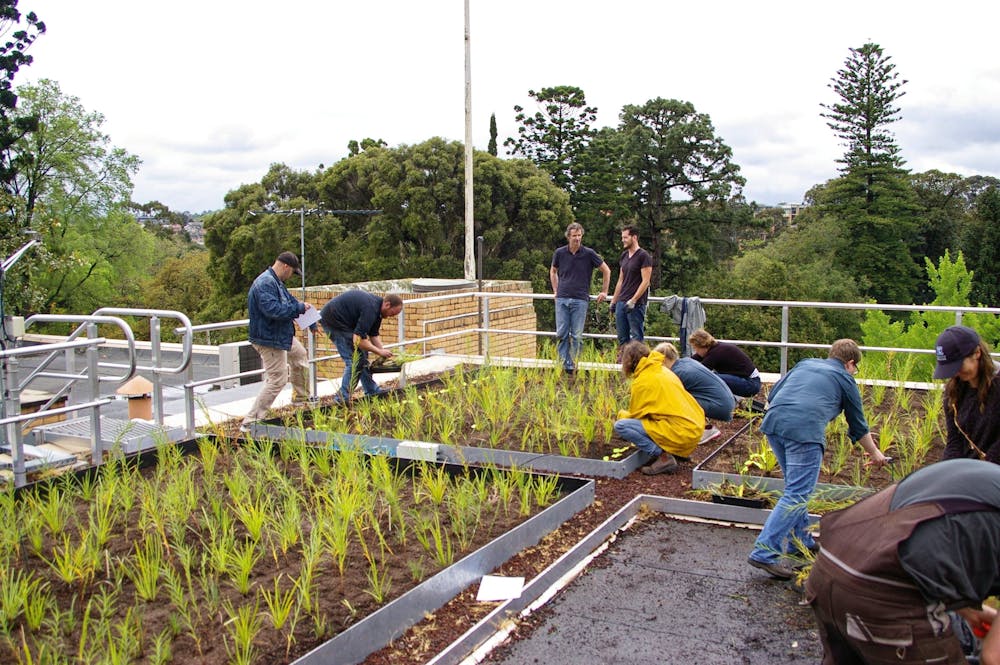
Research green roof at the University of Melbourne Burnley campus. Nicholas Williams, Author provided

Government leadership makes a difference

Strong government leadership is a feature of countries and cities with a rapid uptake of green roofs, walls and facades. They have clear policies and strategies, established funding mechanisms and good co-ordination among all levels of government.
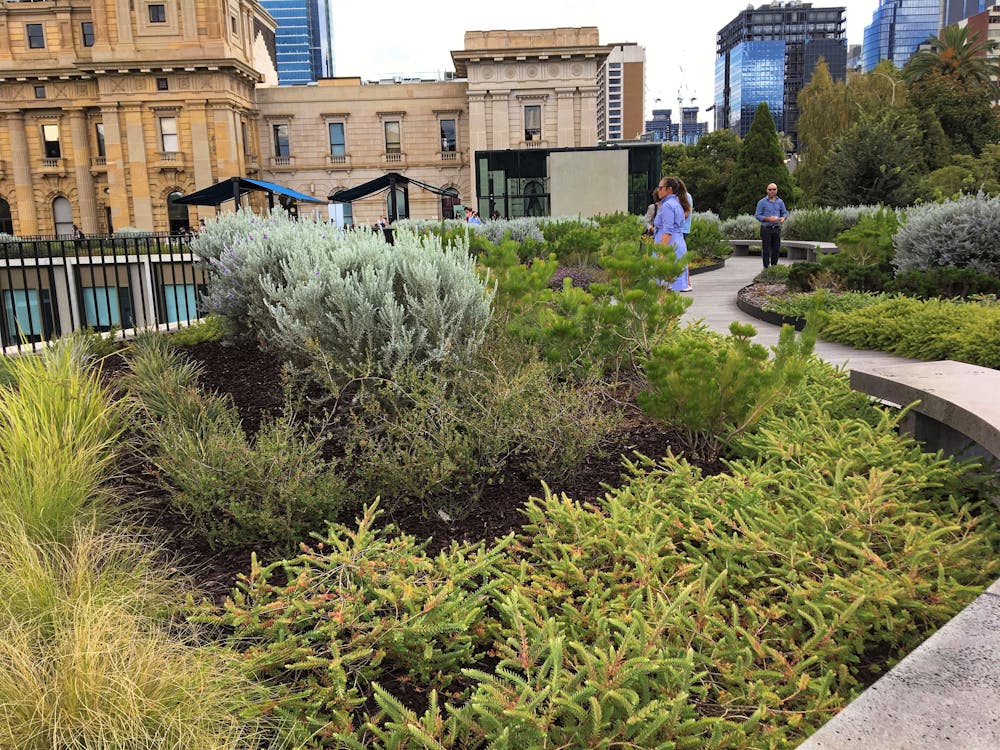
Victorian Parliament Members Annexe green roof. Rachael Bathgate, used with permission, Author provided

A national transition to more sustainable cities that incorporates systematic job-making is desirable. It could be achieved through new federal government City Deals focused on stimulating the green economy.

The European Union has already proposed fiscal recovery packages along these lines. Economists have identified policies with high potential for both economic multiplier effects and climate impact.

Cities that combine incentives with regulation have higher rates of green infrastructure installation. Education and advocacy to ensure standards of design, installation and maintenance further improve these rates. Importantly, tailored policies can produce green roofs, walls and facades that deal with specific impacts of urbanisation, such as stormwater runoff in flood-prone catchments.
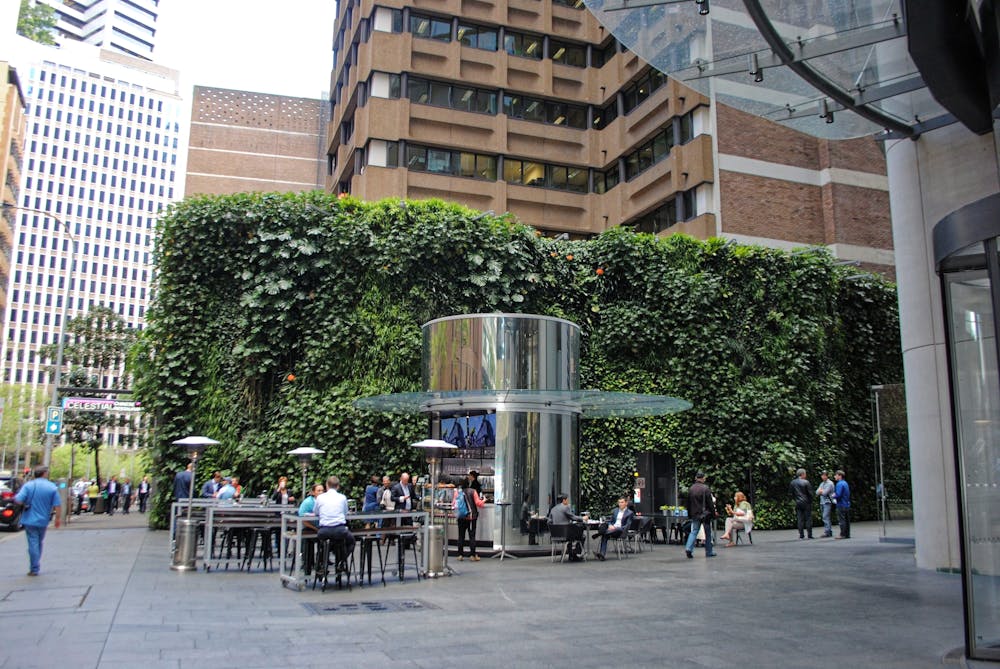
Green wall by Fytogreen at 1 Bligh Street, Sydney CBD. John Rayner, used with permission, Author provided

The City of Melbourne has adopted this approach. Its Green Our City Strategic Action Plan identified the benefits of requiring new buildings to include green infrastructure via a planning scheme amendment. The amendment is yet to be approved. However, the city’s Urban Forest Fund is providing incentives for projects.

In addition, the council has released an Australian-first online Green Factor Tool to measure and improve vegetation cover on new developments. Developers have been asked to voluntarily submit a green factor scorecard with building planning applications. This is expected to increase greening in the private realm.

Crisis also creates opportunities

The upheavals in how we live and work caused by COVID-19 also provide opportunities. It’s a chance for developers and building managers to rethink apartment and office building design, with health and well-being in mind. The benefits of green roofs for the cognitive functioning and well-being of employees are already well documented.

During the pandemic we have seen high demand for urban green space and nature. Rooftop and podium-level green roofs can help meet this public need. If next to lunch rooms, these spaces may help workers feel safer in communal areas.
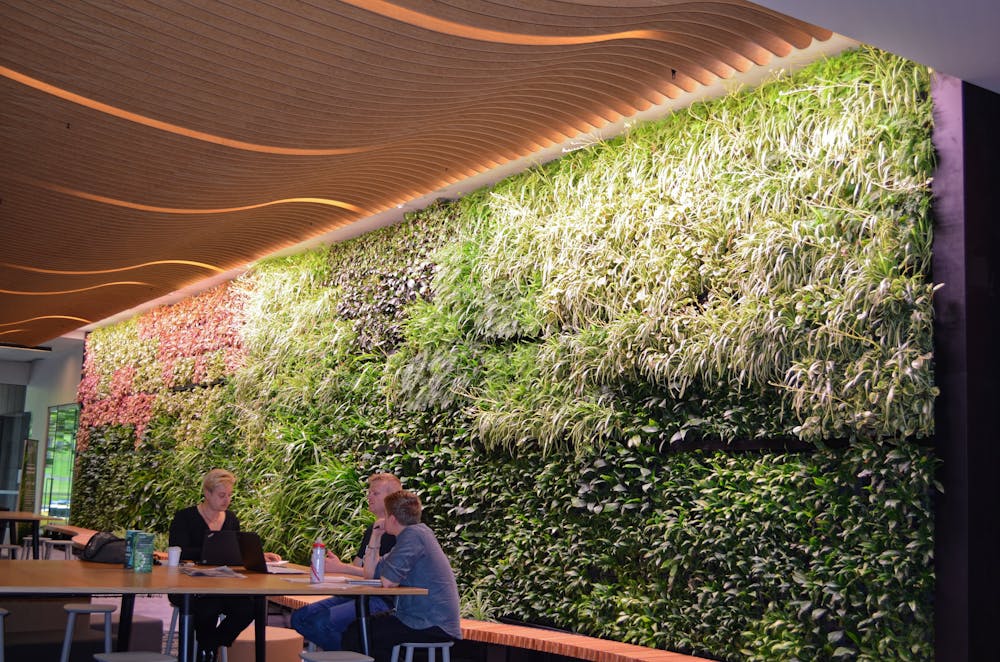
Breathing Wall by Junglefy at 485 La Trobe Street, Melbourne. Junglefy, used with permission, Author provided

A business tax incentive for retrofits of this type would also help to stimulate the construction industry.

Australian cities are already experiencing hotter days, more intense storms and flooding. Creating more green roofs, walls and facades is an important way to respond to climate change and biodiversity impacts. At the same time, these actions create engaging and restorative outdoor spaces for workers and residents. The new roadmap provides a bold but achievable path towards a more sustainable and liveable future.

Nicholas Williams, Associate Professor in Urban Ecology and Urban Horticulture, University of Melbourne; Cathy Oke, Melbourne Enterprise Senior Fellow in Informed Cities, Connected Cities Lab, University of Melbourne, and Leisa Sargent, Senior Deputy Dean, UNSW Business School, Co-DVC Equity, Diversity and Inclusion, UNSW

This article is republished from The Conversation under a Creative Commons license. Read the original article.


Tags: SB001
DMCA.com Protection Status

SUBSCRIBE to our NEWSLETTER

[mc4wp_form id=”2384248″]

Don't Miss

The evolution of Aesthetic Surgery through the lens of Dr Kourosh Tavakoli

by Pauline Torongo
4 December 2025
The evolution of Aesthetic Surgery through the lens of Dr. Kourosh Tavakoli
Health & Wellness

As global interest in Australian cosmetic surgery continues to grow, the combination of regulation, research and emerging digital tools is...

Read moreDetails

Ryan: Building real freedom through e-commerce

by Pauline Torongo
27 November 2025
Ryan: Building real freedom through e-commerce
Business & Finance

Ryan’s greatest achievement isn’t any single business or revenue milestone — it’s the ecosystem he’s built through the Change community.

Read moreDetails

Design Australia Group: Redefining Drafting as the engine of housing growth

by Pauline Torongo
26 November 2025
Design Australia Group: Redefining Drafting as the engine of housing growth
Business & Finance

Australia is under pressure to build homes faster, but design bottlenecks slow progress. Design Australia Group is fixing this by...

Read moreDetails

Louis Guy Detata builds Global Trading Empires through autonomous systems and disciplined leadership

by Pauline Torongo
25 November 2025
Louis Guy Detata builds Global Trading Empires through autonomous systems and disciplined leadership
Business & Finance

The path from investment banking to leading a global trading platform has taught Louis Detata that sustainable success requires more...

Read moreDetails

Burning Eucalyptus Wood: Tips, Advantages, Disadvantages & Alternatives

by Fazila Olla-Logday
20 November 2025
Image Supplied
Enviroment

Learn about burning eucalyptus wood for stoves and fireplaces. Discover benefits, drawbacks, harvesting tips, and better alternative firewood options for...

Read moreDetails

Everything Parents Need to Know About Baby Soft Play and Why It’s a Game Changer

by Fazila Olla-Logday
11 November 2025
Everything Parents Need to Know About Baby Soft Play
Health & Wellness

Baby soft play is a fun, safe, and educational way for little ones to explore and grow. Discover the benefits...

Read moreDetails

WOMAD Sets Up a New Camp in Wiltshire – Australian festival fans take note!

by Kris Griffiths
11 November 2025
Kumbia Boruka brought their reggae and dancehall flavour to the Taste the World Stage at WOMAD 2024 - Credit - Mike Massaro
Entertainment

With its 2026 edition moving to Neston Park in England, WOMAD offers Aussie music lovers a chance to reconnect with global...

Read moreDetails
Load More

Copyright © Blue Sky Publications Ltd. All Rights Reserved.
australiantimes.co.uk is a division of Blue Sky Publications Ltd. Reproduction without permission prohibited. DMCA.com Protection Status

  • About us
  • Write for Us
  • Advertise
  • Contact us
  • T&Cs, Privacy and GDPR
No Result
View All Result
  • News
    • Weather
    • Sport
    • Technology
    • Business & Finance
      • Currency Zone
    • Lotto Results
      • The Lott
  • Lifestyle
    • Entertainment
    • Horoscopes
    • Health & Wellness
    • Recipes
  • Travel
  • Expat Life
  • Move to Australia

Copyright © Blue Sky Publications Ltd. All Rights Reserved.
australiantimes.co.uk is a division of Blue Sky Publications Ltd. Reproduction without permission prohibited. DMCA.com Protection Status

No Result
View All Result
  • News
    • Weather
    • Sport
    • Technology
    • Business & Finance
      • Currency Zone
    • Lotto Results
      • The Lott
  • Lifestyle
    • Entertainment
    • Horoscopes
    • Health & Wellness
    • Recipes
  • Travel
  • Expat Life
  • Move to Australia

Copyright © Blue Sky Publications Ltd. All Rights Reserved.
australiantimes.co.uk is a division of Blue Sky Publications Ltd. Reproduction without permission prohibited. DMCA.com Protection Status